Chronic wounds don’t follow a “normal” healing timeline and can linger for weeks or even months. Ravi Kapadia, MD, FACS, of Premier Surgical Institute in Bakersfield, California, sees many patients with chronic wounds and offers personalized care that supports healing. If you have questions about chronic wound care for yourself or a loved one, reach out online or by phone to schedule a visit.
Chronic Wounds Q & A
What are some examples of chronic wounds?
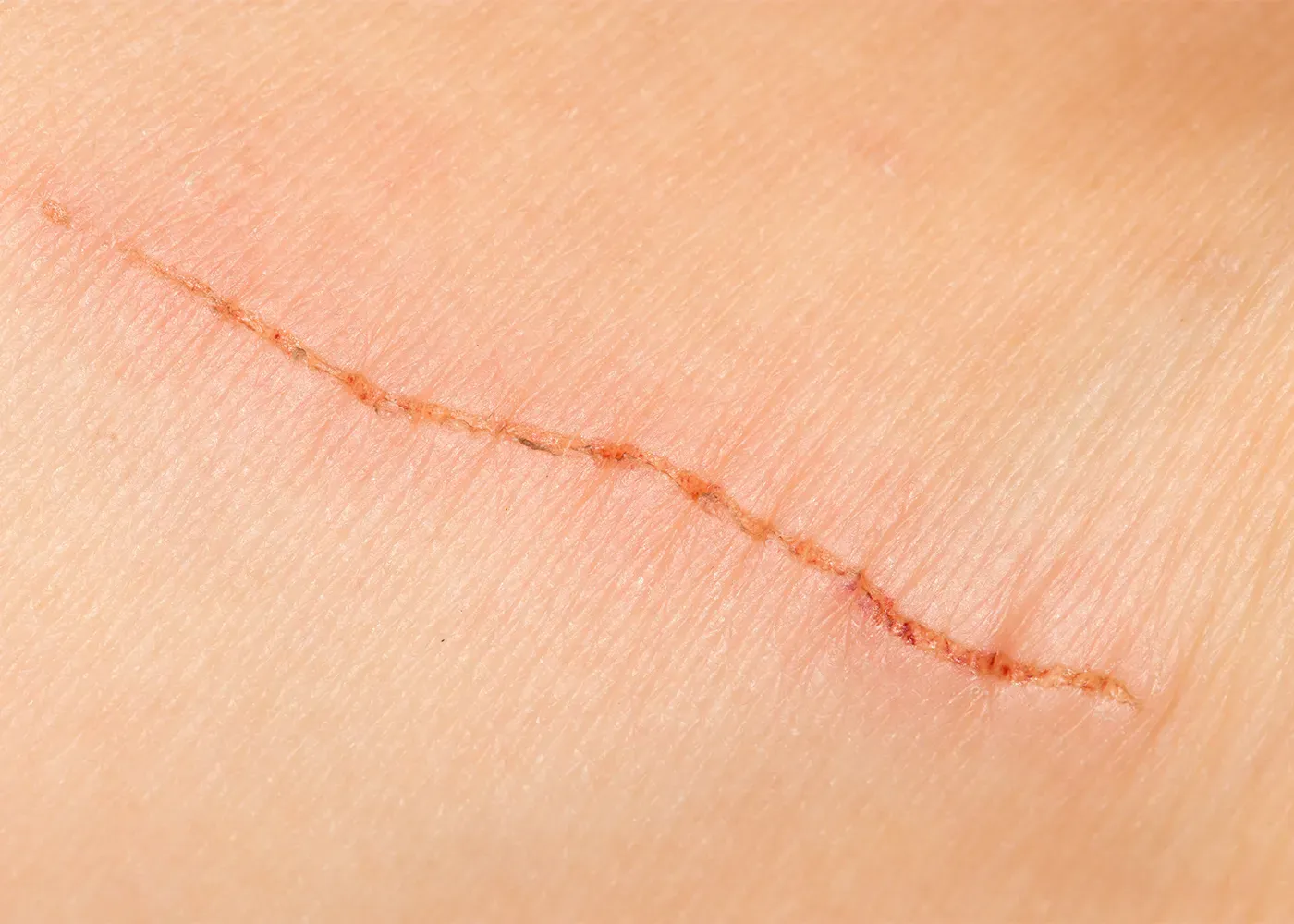
A chronic wound is one that does not heal properly. These wounds are also sometimes referred to as “complex wounds.” Generally, a complex wound is not moving forward in the healing process over the course of 3-4 weeks.
An acute wound is one that has developed recently and is failing to heal in a normal fashion. These wounds are considered complex not only due to delayed healing, but also due to issues like infection, significant tissue loss, or extending deep within the body.
Chronic wounds include pressure ulcers, venous ulcers, diabetic foot ulcers, and arterial ulcers.
What causes chronic wounds?
Very often, underlying health conditions are at least partly to blame for wounds that linger. An example is diabetes, which negatively impacts your circulation. Poor circulation prevents oxygenated blood from reaching the wound site, slowing healing.
Diabetes can also cause problems in your nerve function, preventing signals from flowing between the body and brain. An injury can grow worse without feeling the associated pain. Diabetics often develop wounds on their feet and don’t notice anything is wrong until the wound has reached an advanced stage.
Other causes of chronic wounds include long periods of time staying in one position and creating pressure on the skin, excess moisture on the skin, and surgical wounds that haven’t closed properly.
How are chronic wounds treated?
Dr. Kapadia begins by assessing the wound and determining the best course of action. If there is substantial dead skin and other debris near or within the wound, clearing that away is important.
If there are signs of infection or a substantial risk of infection, a course of antibiotics is given right away. It’s essential to take the full prescription to prevent a reinfection that can be even more dangerous than the initial infection.
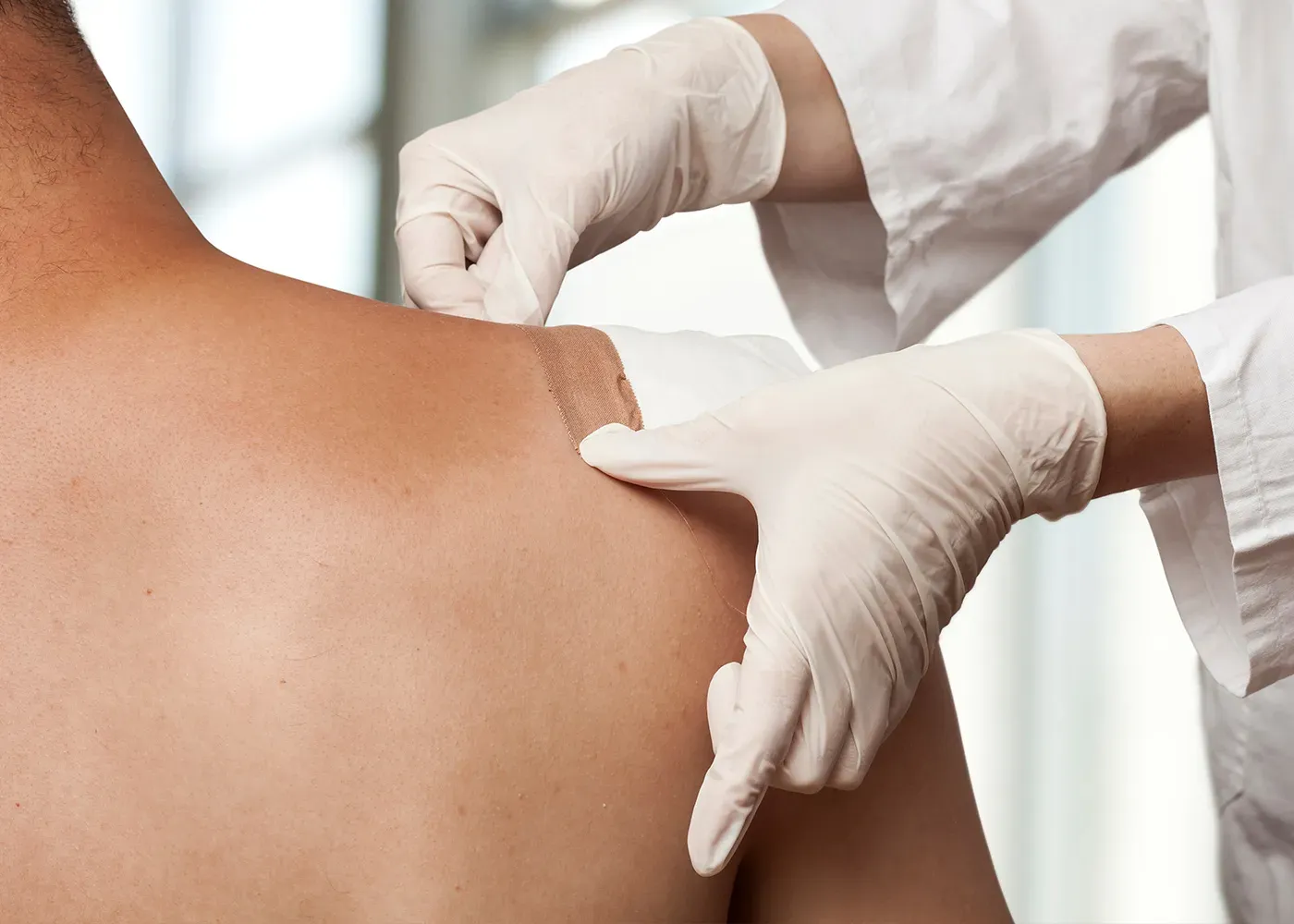
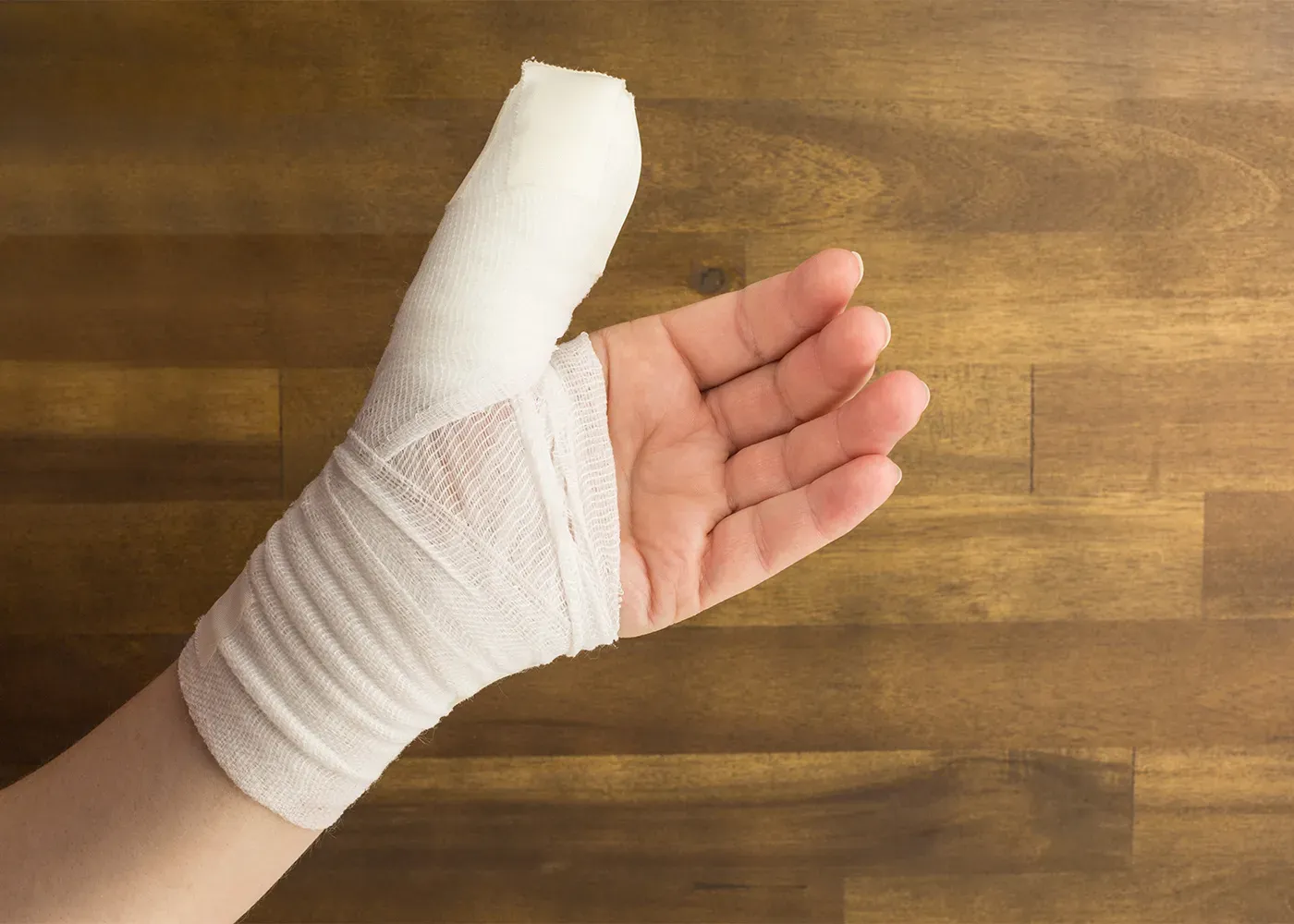
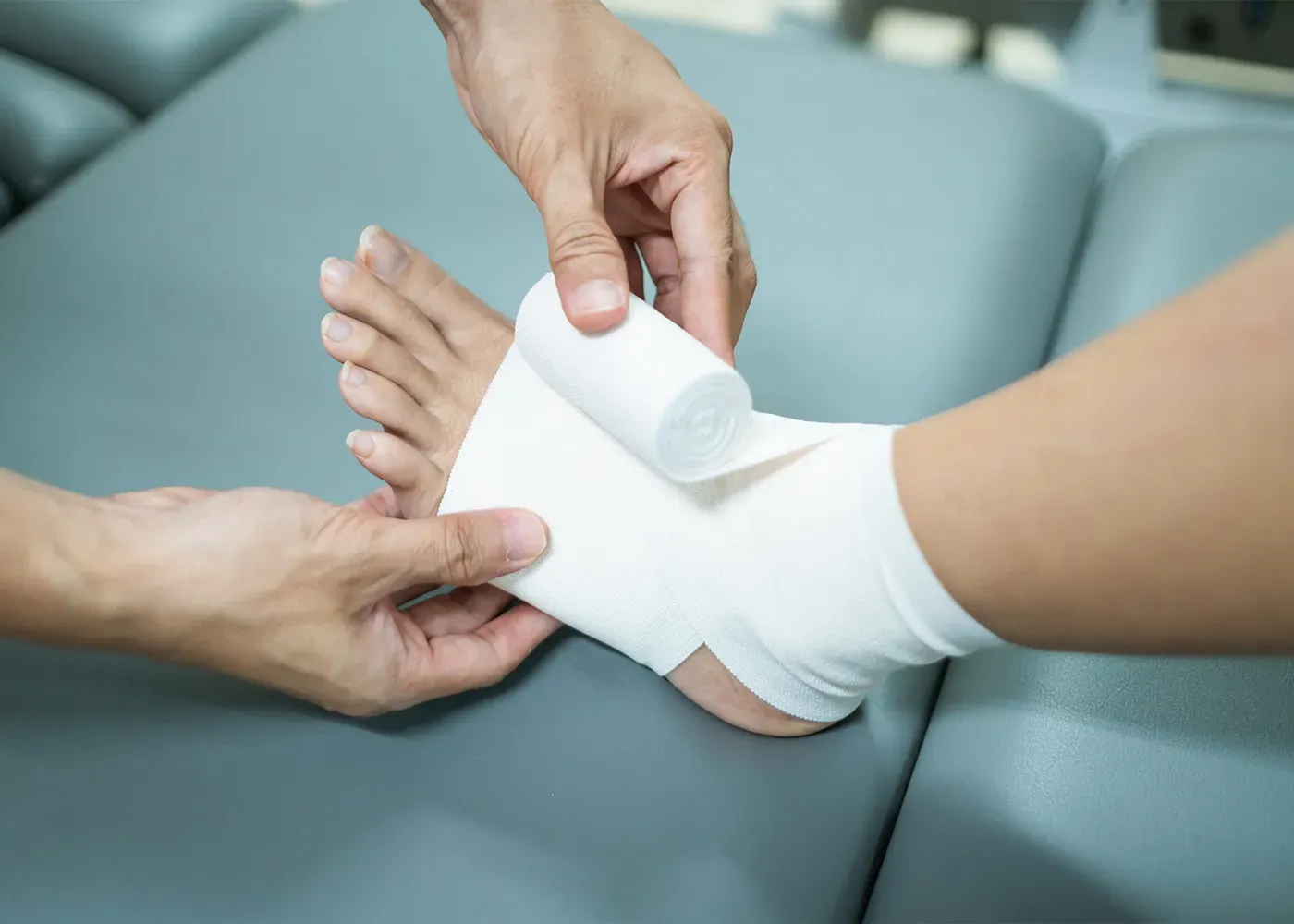
Applying the right dressing to a wound can greatly enhance healing. Some wounds require a special pressure dressing, while others heal better with a simple dressing that sits atop the damaged area of skin.
Dr. Kapadia also strives to reduce the risk of future chronic wounds. He educates patients on how to check for wounds and perform self-care practices, or advises them on the importance of nutrition in the healing process.
To explore chronic wound care in greater detail, call the office to schedule a visit, or request an appointment online today.