Diabetic foot ulcers are a serious complication of diabetes that can affect mobility, comfort, and overall health. Without timely treatment, these open sores can become infected and may lead to significant tissue damage. At Premier Surgical Institute in Bakersfield, California, board-certified surgeon Ravi Kapadia, MD, FACS, can evaluate complex wounds, remove damaged tissue, and help prevent complications. To schedule an appointment for a concerning diabetic foot ulcer, call the office or request an appointment online today.
Diabetic Ulcers Q & A
What are diabetic foot ulcers?
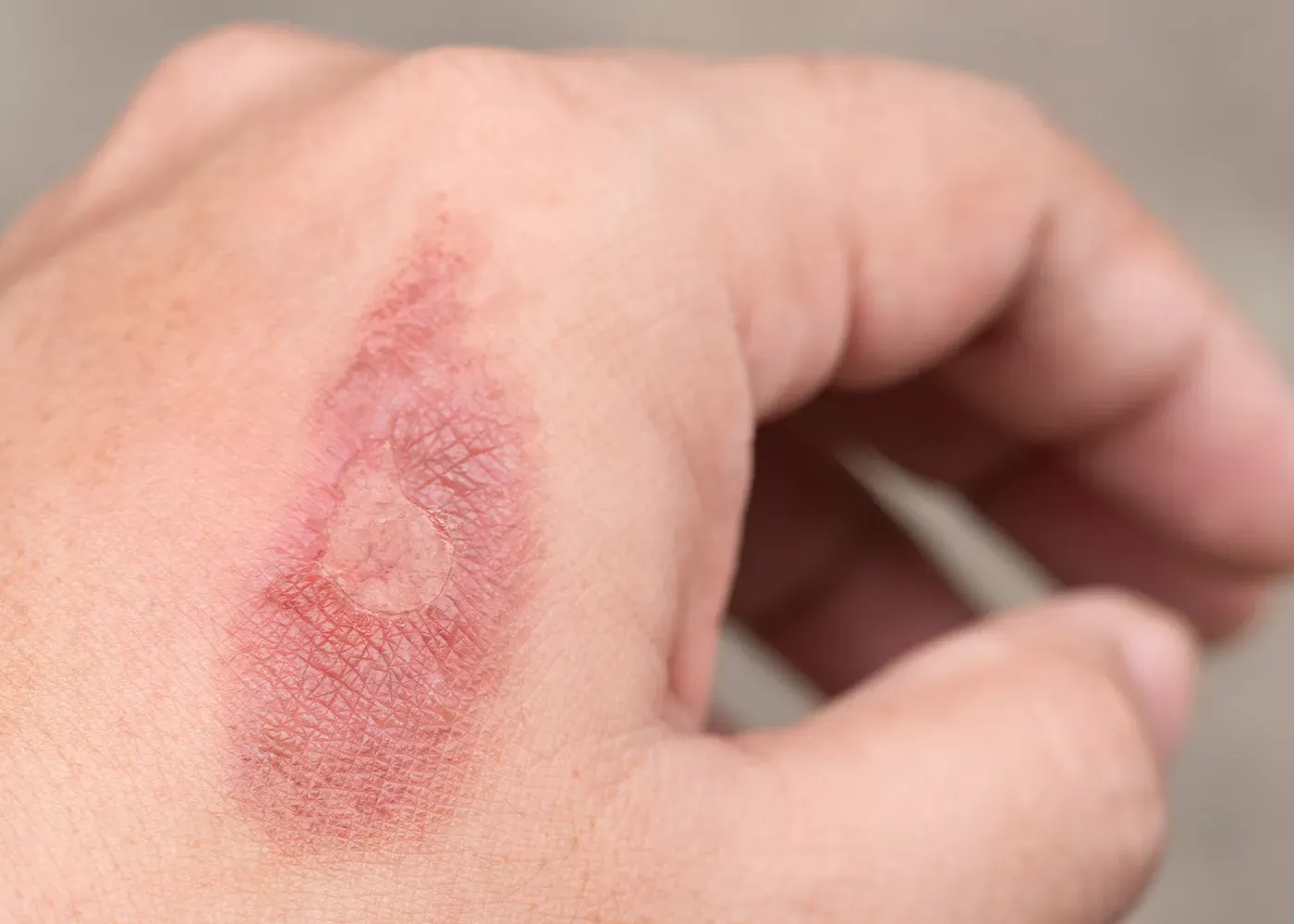
Diabetic foot ulcers are open sores that commonly develop on the bottom of the feet, toes, or other pressure points. They occur when diabetes contributes to nerve damage, poor circulation, or both. Nerve damage, known as diabetic neuropathy, can reduce sensation in the feet, making it difficult to notice cuts, blisters, or injuries. Poor blood flow can slow healing and increase the risk of infection.
Several factors can contribute to diabetic foot ulcers, including ill-fitting shoes, pressure from walking, minor injuries, dry or cracked skin, and foot deformities. Because these wounds may develop without significant pain, regular foot inspections are essential for people living with diabetes.
When should I seek treatment for a diabetic foot ulcer?
Dr. Kapadia should complete a medical evaluation as soon as a sore, blister, or open wound appears on your foot. Early treatment can reduce the risk of infection and other complications. Individuals should not wait for a wound to become painful, especially if they have reduced sensation due to diabetes.
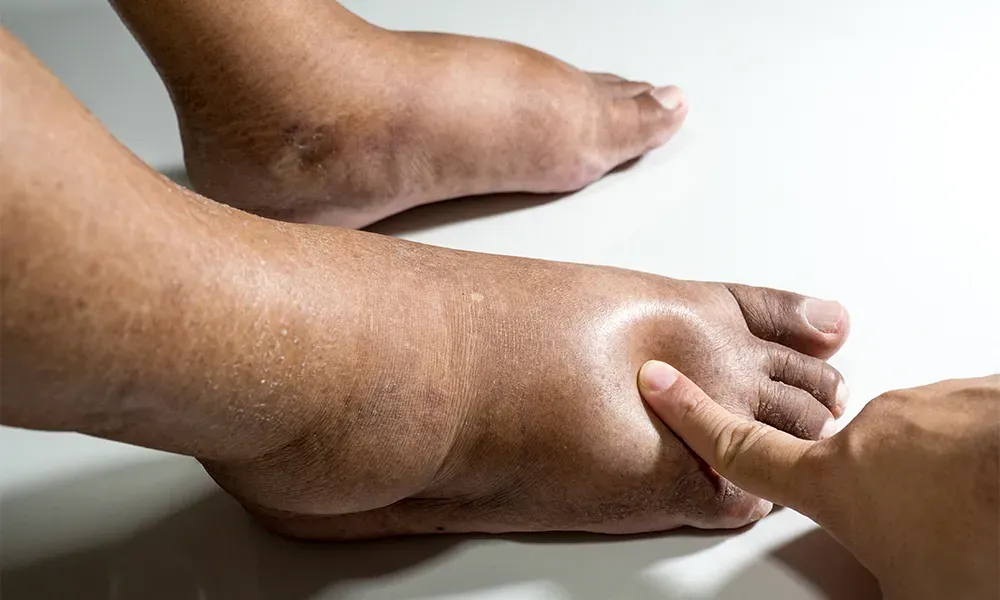
Signs that require prompt medical attention include redness, swelling, warmth, drainage, an unpleasant odor, or skin discoloration around the wound. Fever, spreading redness, rapidly worsening swelling, blackened tissue, or signs of a severe infection warrant emergency evaluation. Delayed treatment can allow an ulcer to deepen and affect underlying tissues, including tendons and bone.
Dr. Kapadia can assess the wound's depth, evaluate damaged tissue, and help determine whether additional testing or specialist care is needed. People with diabetes should also contact Dr. Kapadia about changes in foot temperature, color, sensation, or skin integrity.
How are diabetic foot ulcers treated?
Treatment depends on the ulcer's size, depth, location, blood supply, and whether an infection is present. Dr. Kapadia may provide wound evaluation and procedures as part of a coordinated treatment plan.
Common treatment approaches include:
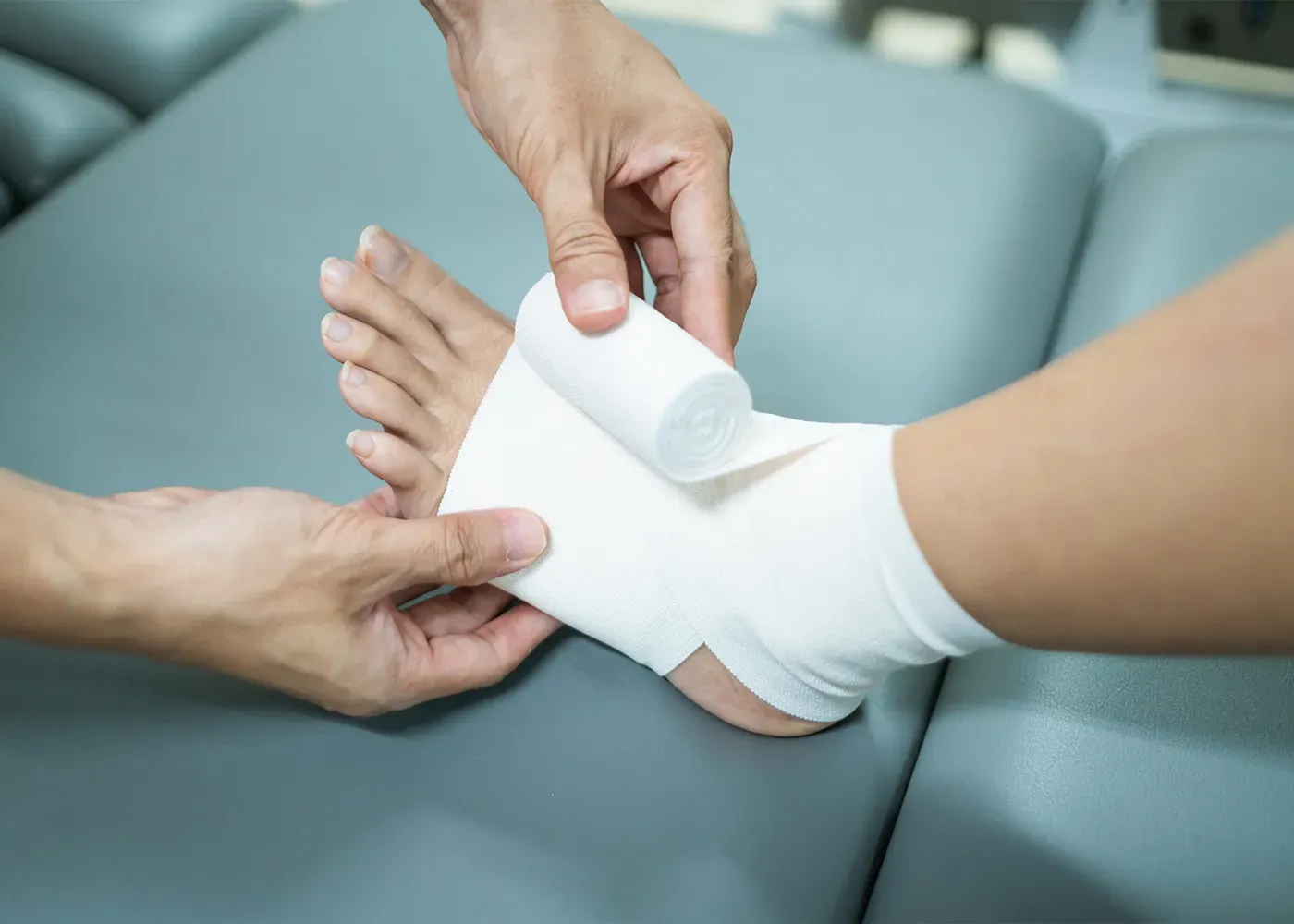
- Wound care: Cleaning the ulcer and applying appropriate dressings to protect the area and support healing.
- Debridement: Removing dead or infected tissue when clinically indicated to help the wound heal.
- Infection management: Prescribing antibiotics when a bacterial infection is present and arranging further treatment for deeper infections when necessary.
- Pressure relief: Recommending specialized footwear, offloading devices, or other measures to reduce pressure on the affected area.
- Circulation assessment: Evaluating blood flow and coordinating vascular care when poor circulation interferes with healing.
Severe ulcers may require surgical intervention, particularly when there is extensive tissue damage, an abscess, or a deep infection. Ongoing monitoring helps determine whether treatment is effective.
Can diabetic foot ulcers be prevented?
Daily foot inspections, properly fitted footwear, regular diabetes management, and routine medical foot examinations can help lower the risk of ulcers. Keeping the feet clean and moisturized, avoiding barefoot walking, and seeking care for minor injuries are also important preventive measures. People with diabetes should avoid attempting to cut away calluses or treat foot wounds themselves.
Diabetic foot ulcers require timely, attentive care to reduce complications and support recovery. Premier Surgical Institute can help evaluate complex foot wounds and determine appropriate treatment options. Early assessment and coordinated care can help protect foot health, preserve mobility, and reduce the risk of serious infection.
If you’re ready to explore your options for diabetic foot ulcers, call Premier Surgical Institute or request an appointment online today.