High blood sugar levels and poor circulation can lead to nerve damage and other issues with your feet, like unhealing sores called ulcers. Ravi Kapadia, MD, FACS, of Premier Surgical Institute in Bakersfield, California, offers regular evaluations and diabetic foot care, including wound care. If you’re concerned about the health of your feet due to diabetes, call the office or request an appointment online today.
Diabetic Foot Care Q & A
What is diabetic foot care?
Diabetic foot care consists of treatments that maintain the health and wellness of your feet if you have diabetes. The team at Premier Surgical Institute offers regular foot evaluations and can treat complications when they arise.
When at home, you can take several easy steps to make sure you’re not neglecting your feet as you manage your diabetes. The Premier Surgical Institute team recommends:
- Washing your feet daily in lukewarm water
- Inspecting your feet for cuts, bruises, blisters, and toenail problems
- Moisturizing the surfaces of your feet, but not between the toes
- Wearing clean and dry socks at all times
- Wearing socks to bed if your feet get cold easily
- Avoiding the use of antiseptic solutions on your feet unless your doctor approves them
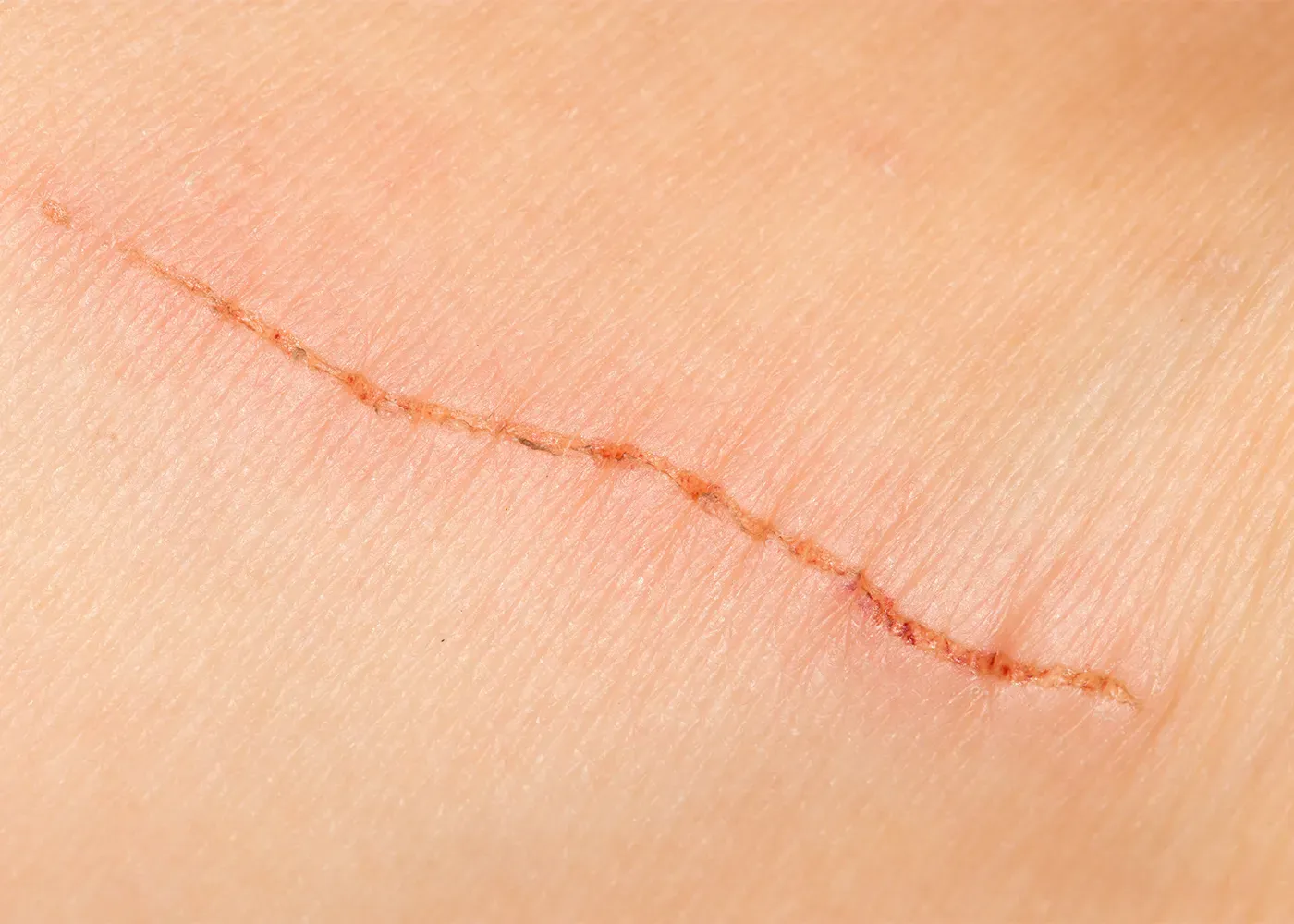
If you notice lesions on your feet, like corns, calluses, or wounds, you should never attempt to treat or remove them yourself. The team at Premier Surgical Institute can examine and address complications like these for you.
What are some signs that I need diabetic foot care?
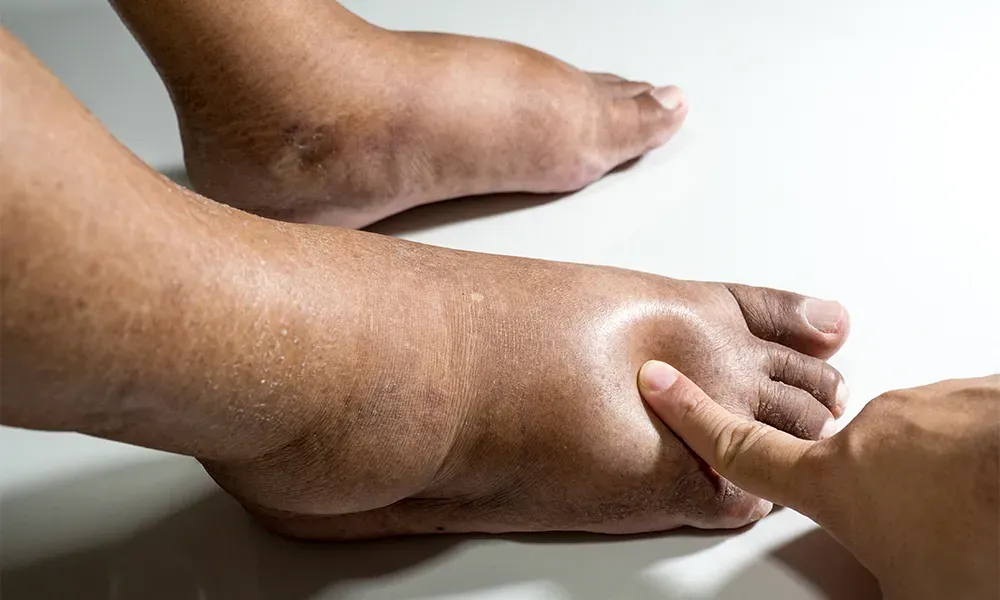
Though you should get regular inspections of your feet if you have diabetes, it’s important to learn and recognize the early warning signs of various diabetic foot problems. You should call Premier Surgical Institute immediately for a visit if you notice:
- Burning or tingling in your feet
- Foot pain
- Foot numbness
- Loss of hair on your feet and lower legs
- A change in color of the skin on your feet
- Thick, yellow toenails
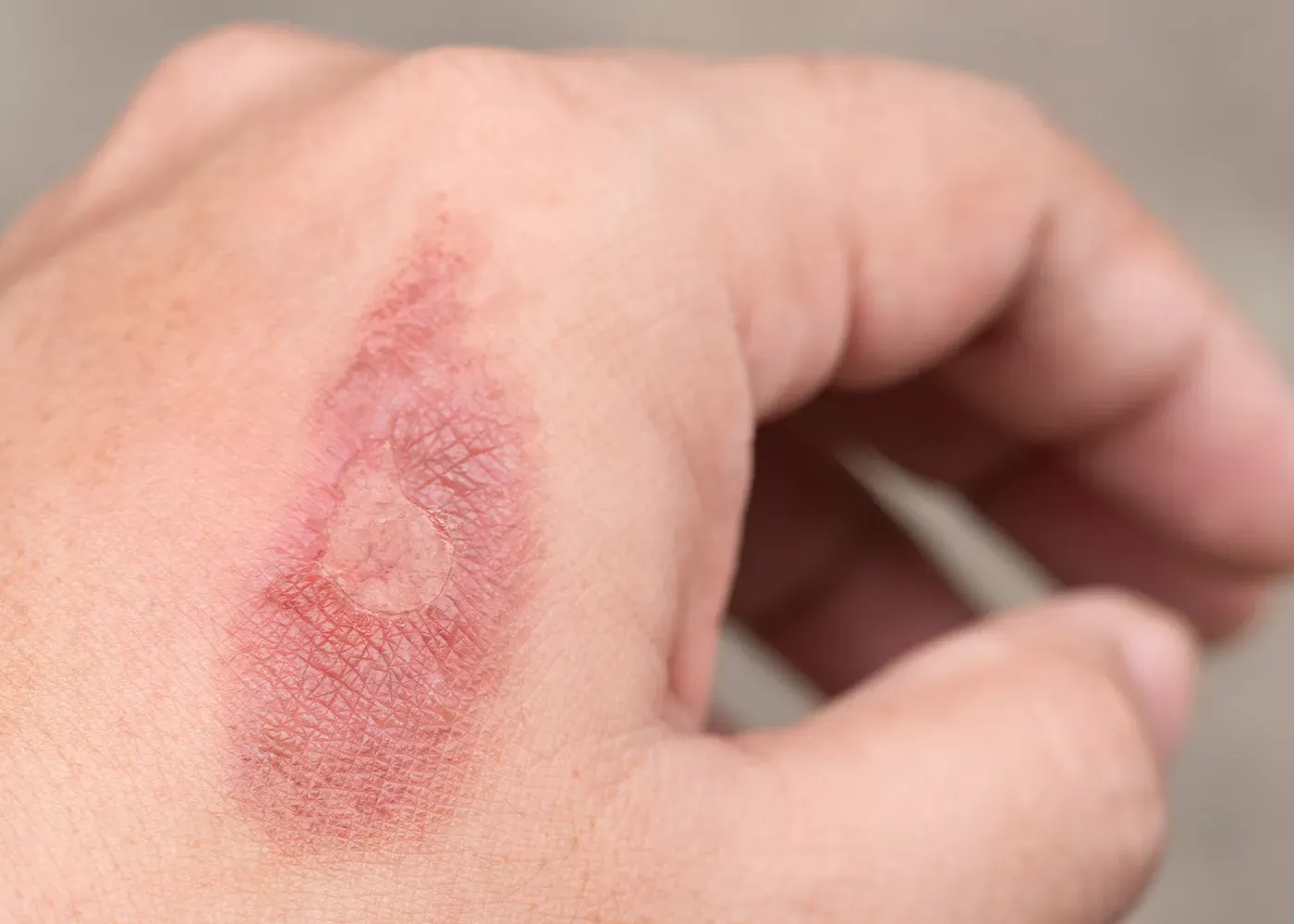
- Blisters, sores, ulcers, calluses, or corns
High glucose levels (sugar) in your blood due to diabetes can lead to nerve damage and circulation problems. Your feet are far away from your heart, so circulation problems affect them more than other areas.
Sores and infections on your feet are slow to heal and can lead to tissue death in the region, called gangrene. If you don’t seek treatment early enough for your diabetic foot complications, you might need amputation surgery for your toe, foot, or leg.
What is wound care within diabetic foot care?
Foot ulcers, which are slow-healing wounds, are typical with diabetes because of poor circulation in the feet. If you have an injury that doesn’t seem to heal, the team at Premier Surgical Institute can address it with professional wound care.
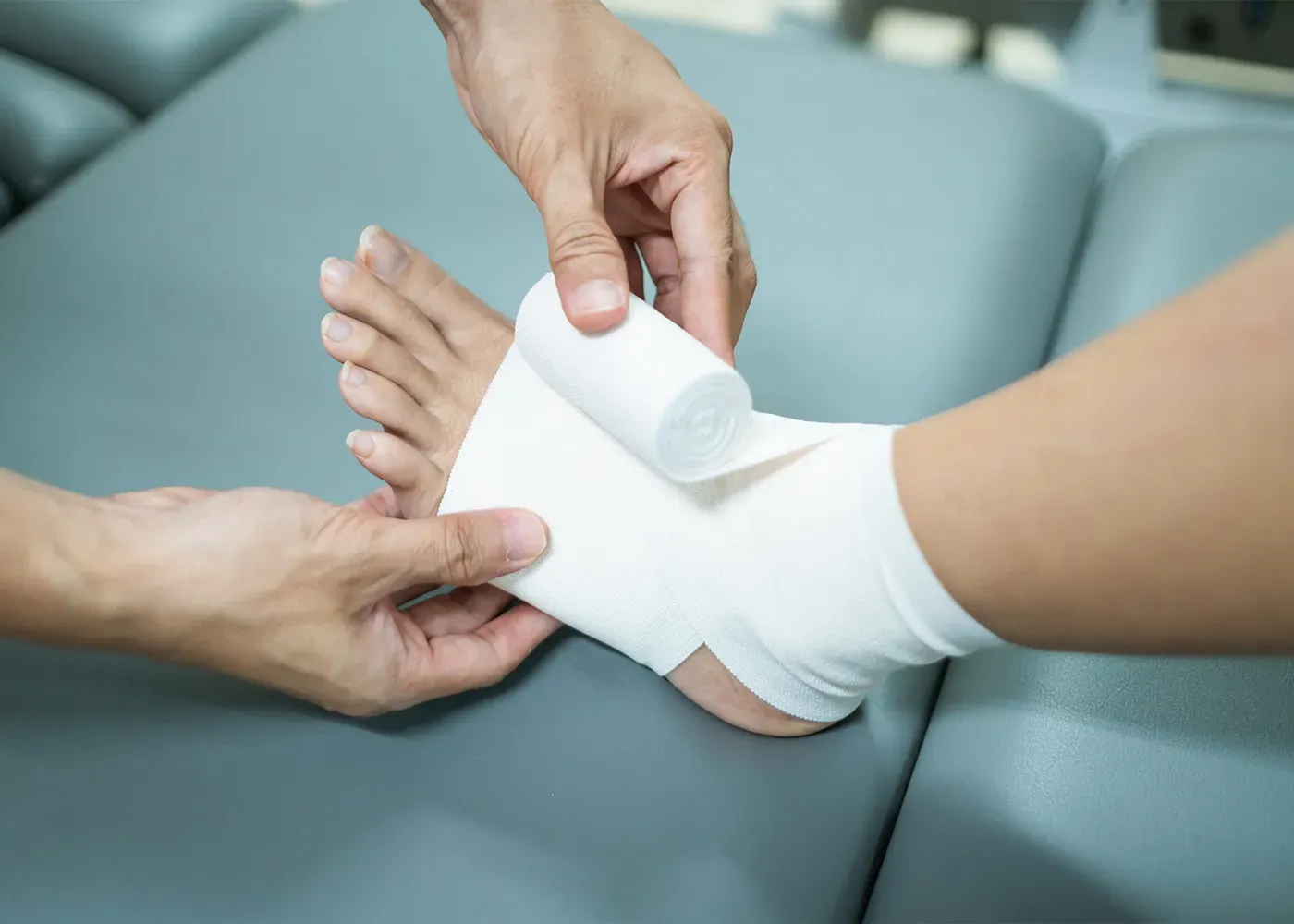
Wound care involves keeping the wound clean to prevent infection. It also requires debridement, which removes dead or infected skin and tissue to promote healthy tissue growth in its place. The Premier Surgical Institute team regularly applies medication to your wound and changes its dressings to keep it clean.
To make sure your ulcer can heal well, you should continue managing your diabetes with a healthy diet and medications like insulin that your physician prescribes.
To schedule a consultation or annual exam for diabetic foot care, call Premier Surgical Institute or book online today.