Pressure ulcers, also called bedsores, can be very uncomfortable and can increase your risk of infection. Residents of Bakersfield, California, and the surrounding area can rely on Ravi Kapadia, MD, FACS, at Premier Surgical Institute for comprehensive care for pressure sores. Don’t wait; call the office or request an appointment online today.
Pressure Ulcers Q & A
How do I know if I have pressure ulcers?
A pressure ulcer is a skin injury that develops when that part of your body is placed under pressure for long periods of time. Sometimes referred to as “bedsores,” pressure ulcers are common in people confined to a bed or wheelchair.
Here are some symptoms of pressure ulcers:
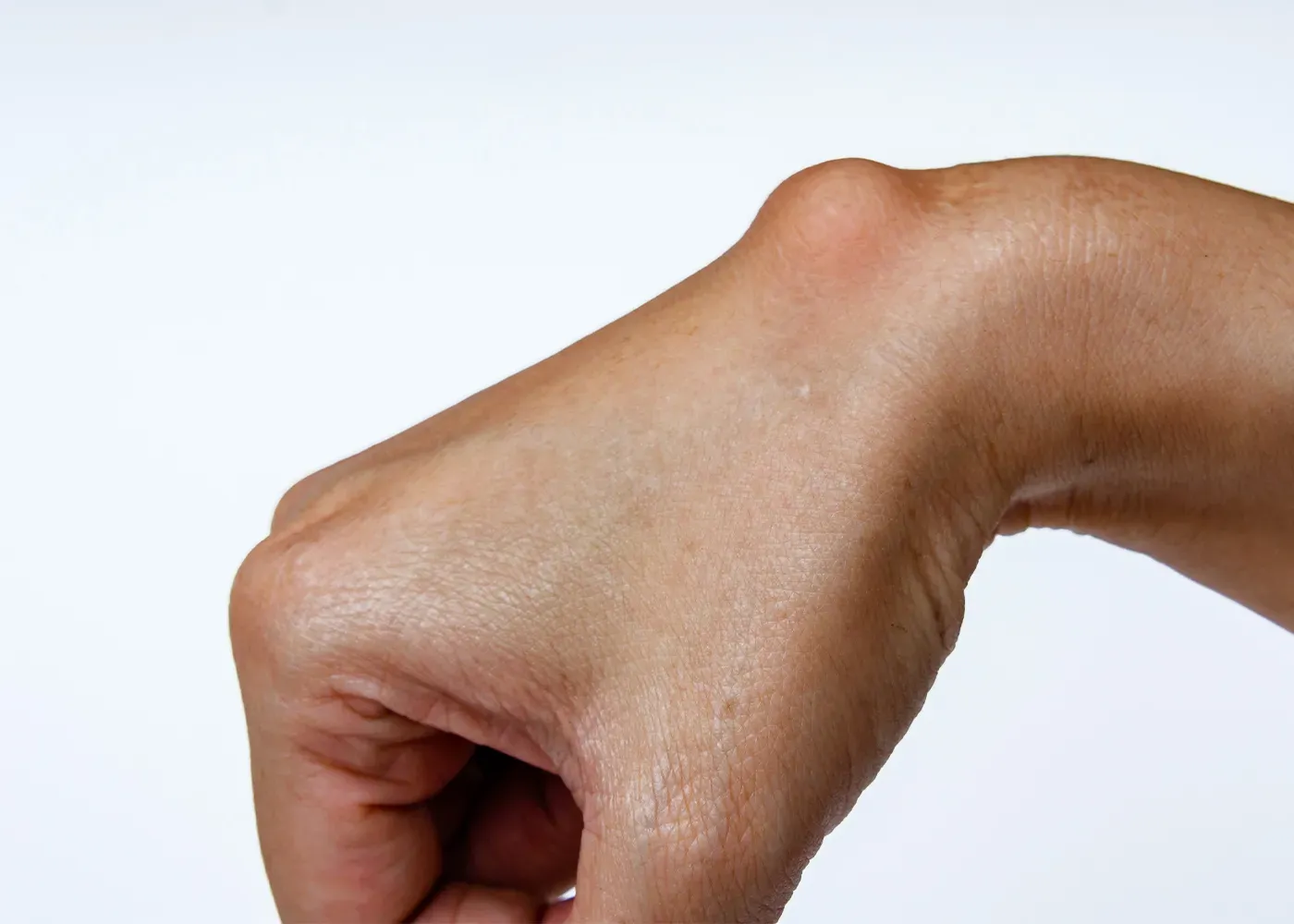
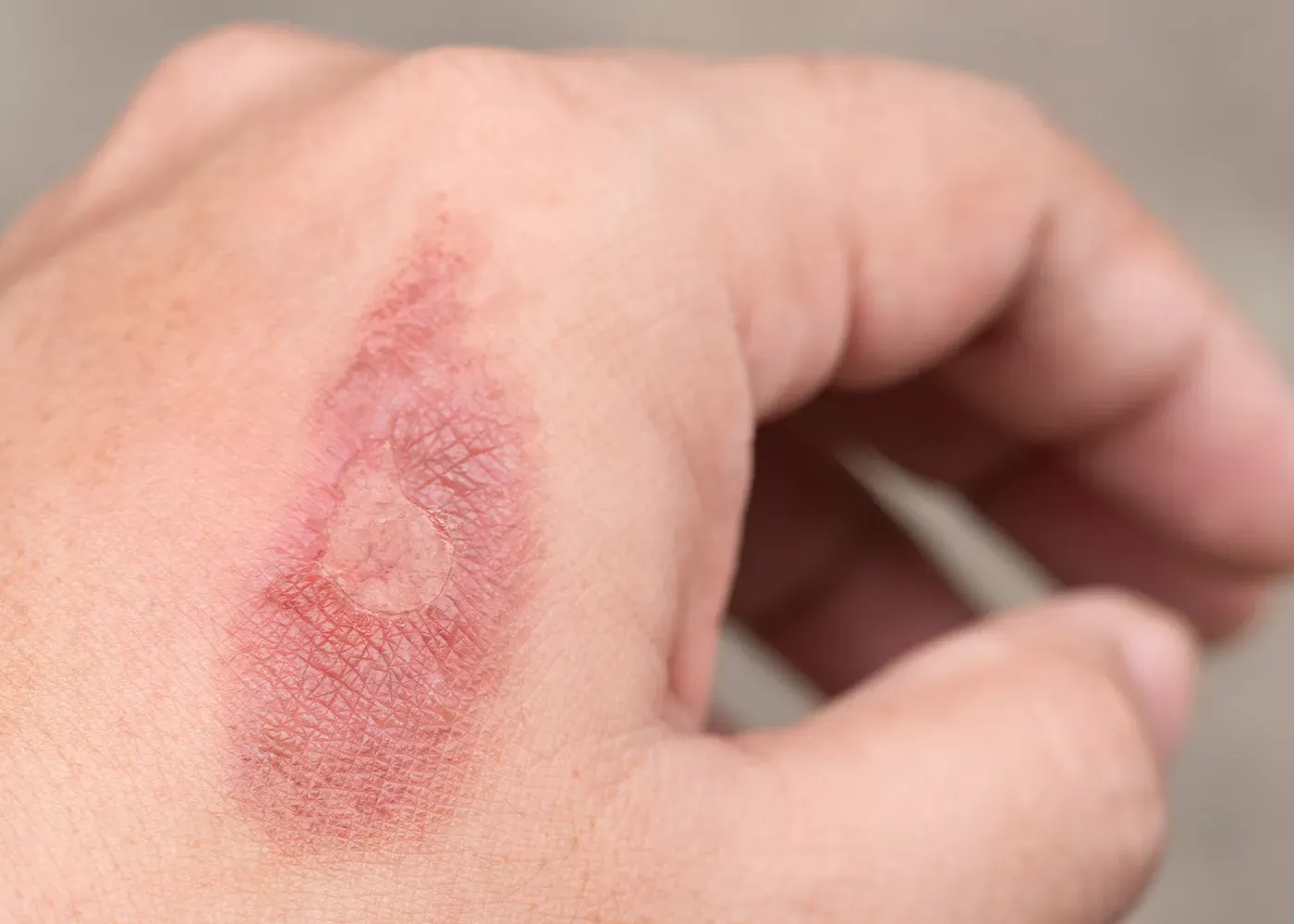
- Changes in the color or texture of skin
- Soreness
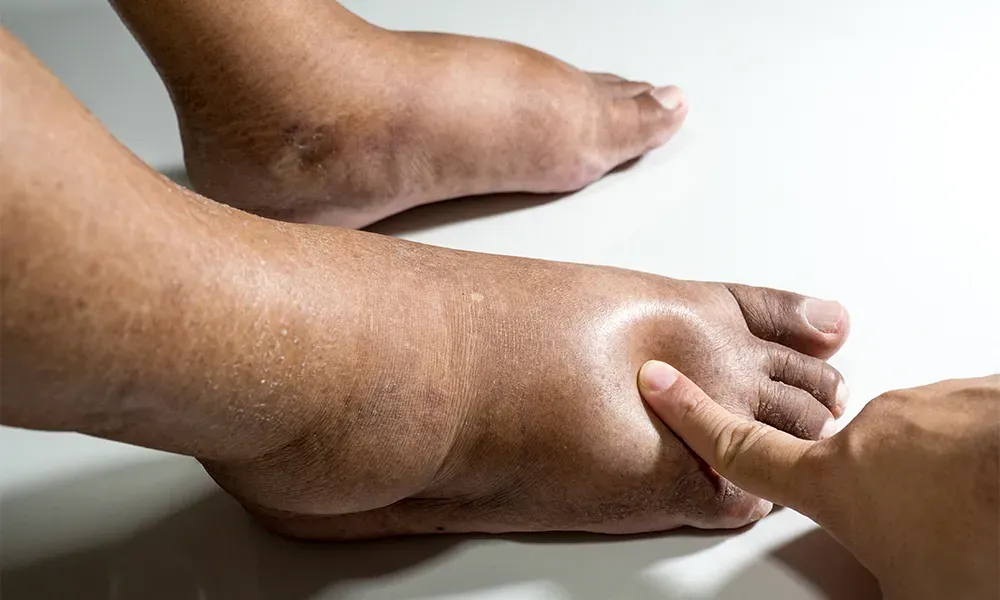
- Swelling
- Draining
- Skin that feels abnormally cool or warm to the touch
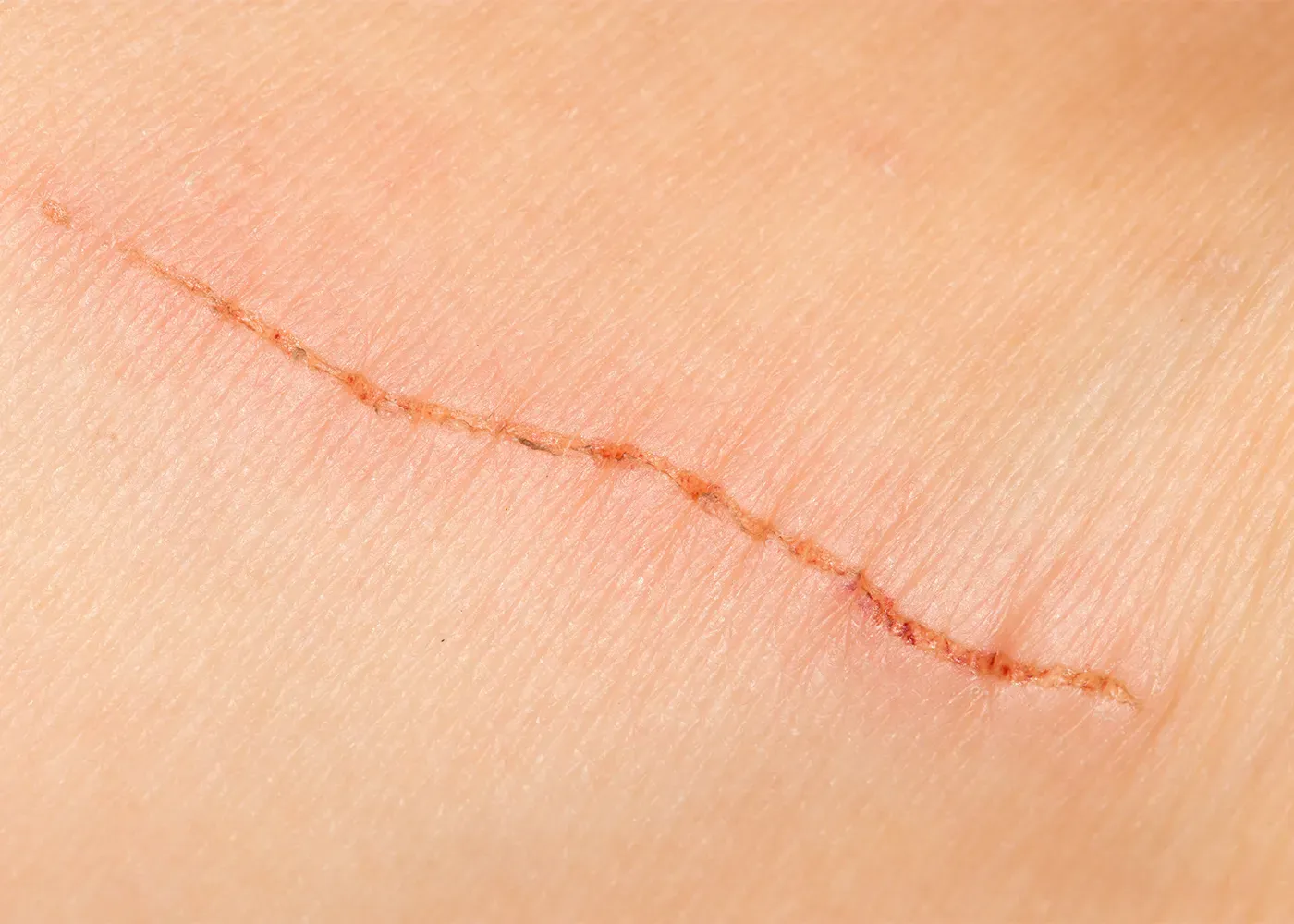
Often, a pressure ulcer is easy to visibly identify. These sores can develop on any area of the body that experiences prolonged pressure, including the buttocks, back, hip, heels, ankles, or the back of the head.
When is the right time to seek treatment for pressure ulcers?
If you notice changes in the look or feel of your skin but there’s no open sore yet, you might be able to prevent a pressure ulcer from worsening by changing the position in which you sit or lie down.
Keep a close eye on the area, and if it doesn’t improve quickly, reach out to book a visit. If you already have an open sore, don’t hesitate to seek medical attention at our office. An open ulcer can easily become infected without proper care, and infection can quickly spread and create even more serious health threats.
What can be done to improve pressure ulcers?
Treating pressure ulcers begins by examining the circumstances that caused the ulcer. Dr. Kapadia can help you find ways to relieve pressure on your skin, like changing the height of the head of your bed, using cushions to shift your body weight, or making a habit of shifting your position or lifting yourself up throughout the day.
He’ll also clean the area to reduce the risk of infection, giving your body a chance to heal. If there are signs of infection or if he suspects you have a high risk level, Dr. Kapadia may prescribe antibiotics.
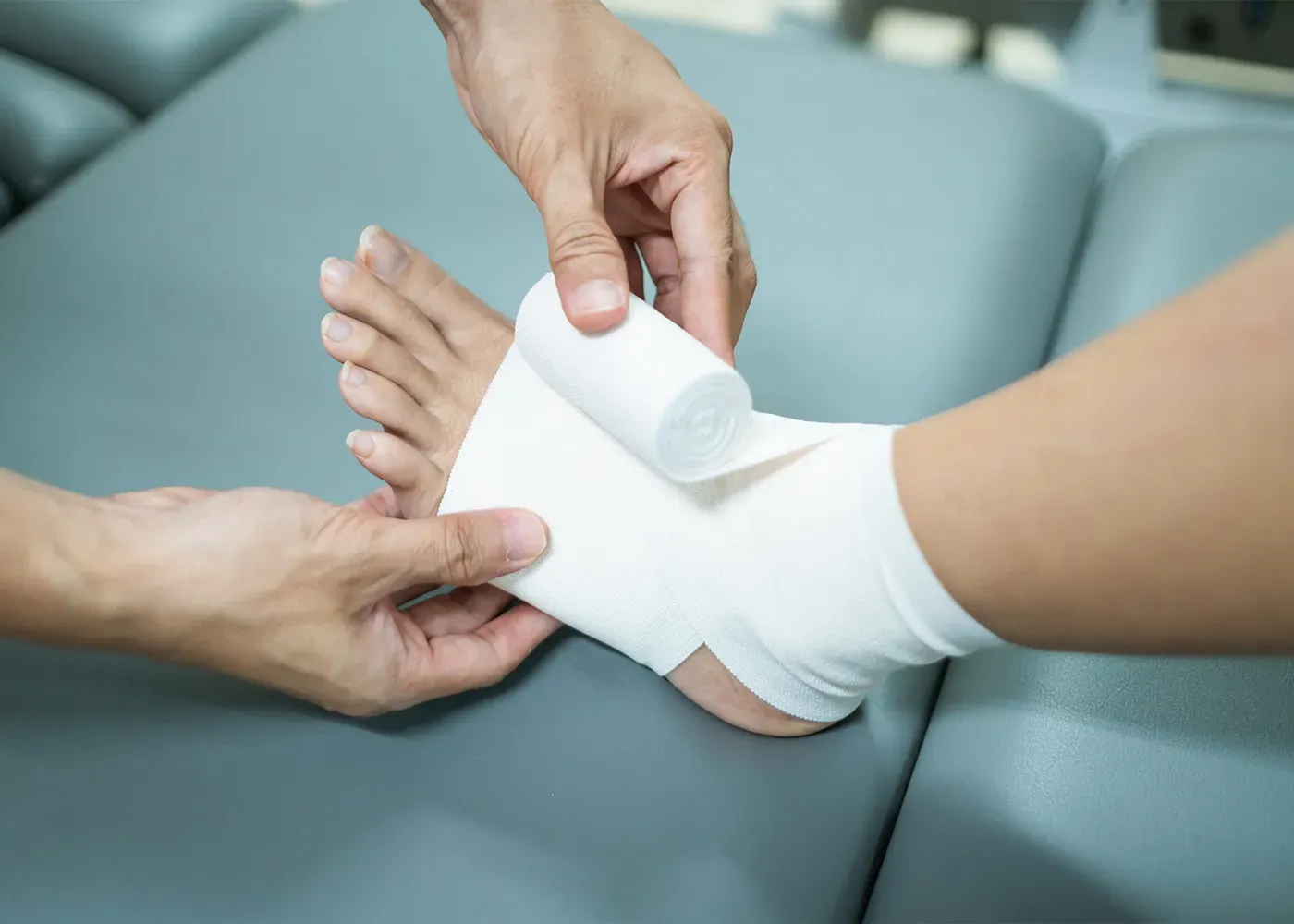
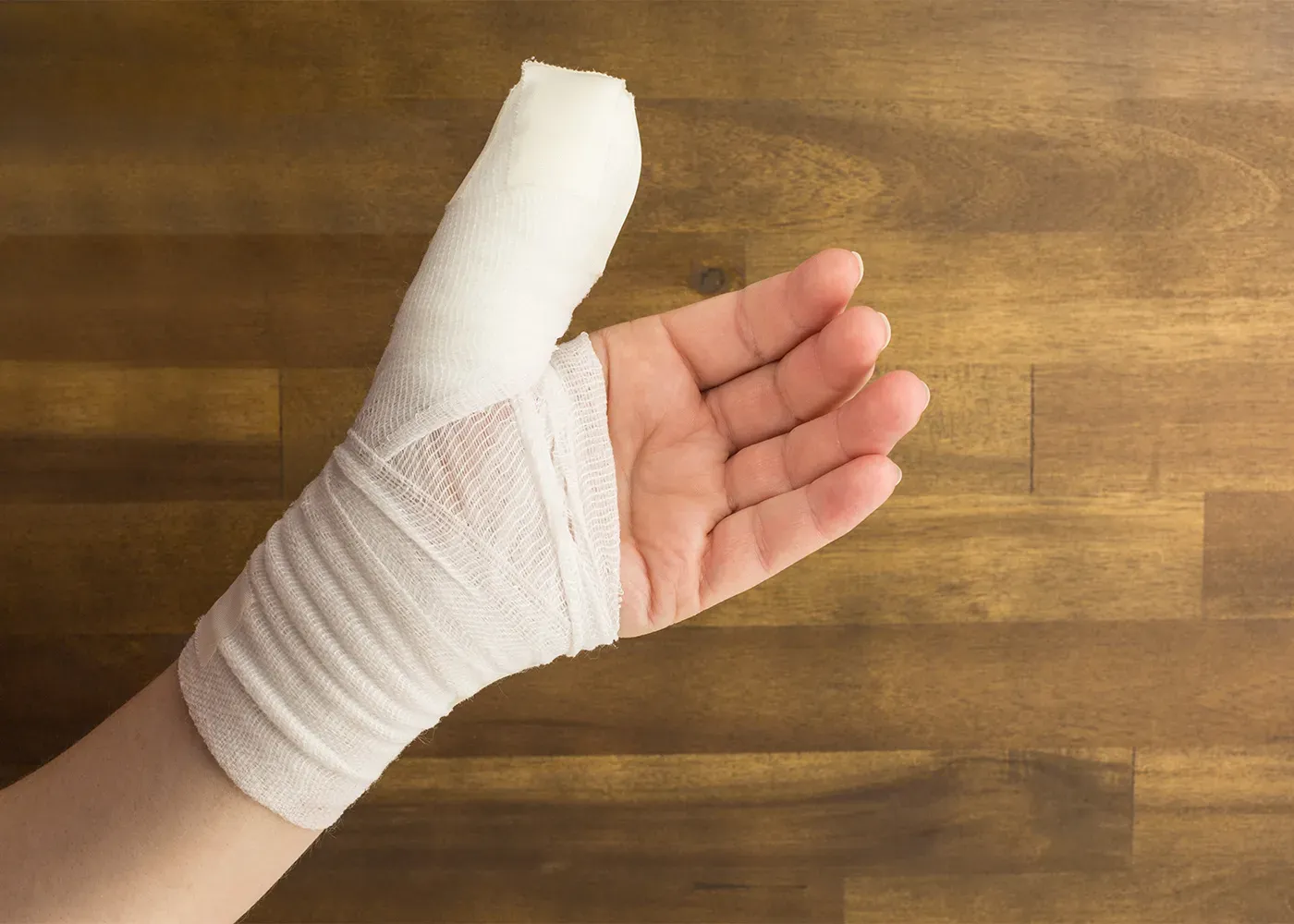
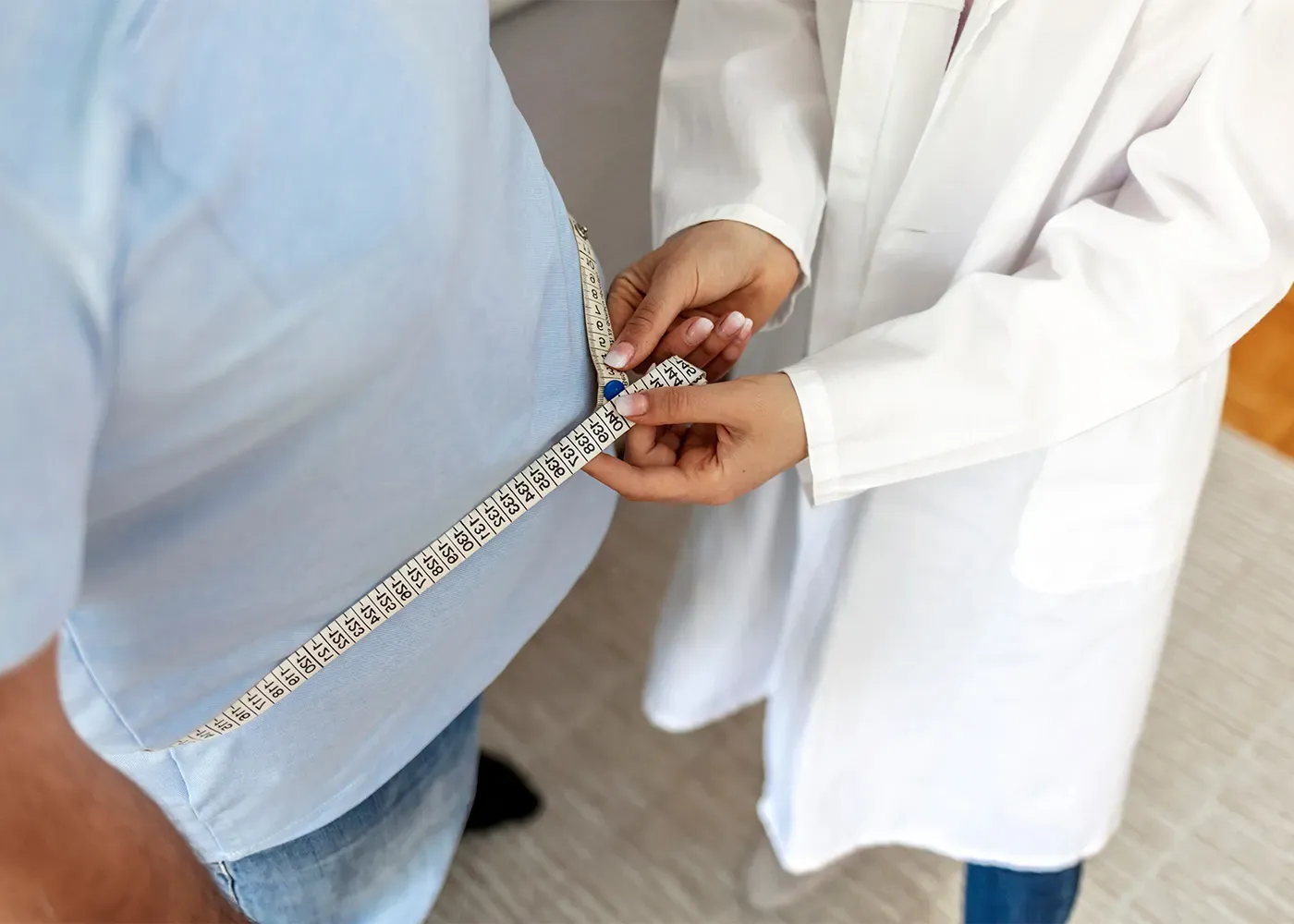
Dressing the wound properly is also important, and you or your caretakers will learn how to change those dressings. Dr. Kapadia will advise you on the best medications to manage pain and what dietary changes you can make to enhance healing. He may also recommend medical weight loss if that contributes to your lack of mobility.
Don’t let pressure ulcers linger; reach out to Premier Surgical Institute to schedule an appointment. Call the office or request a consultation online today.