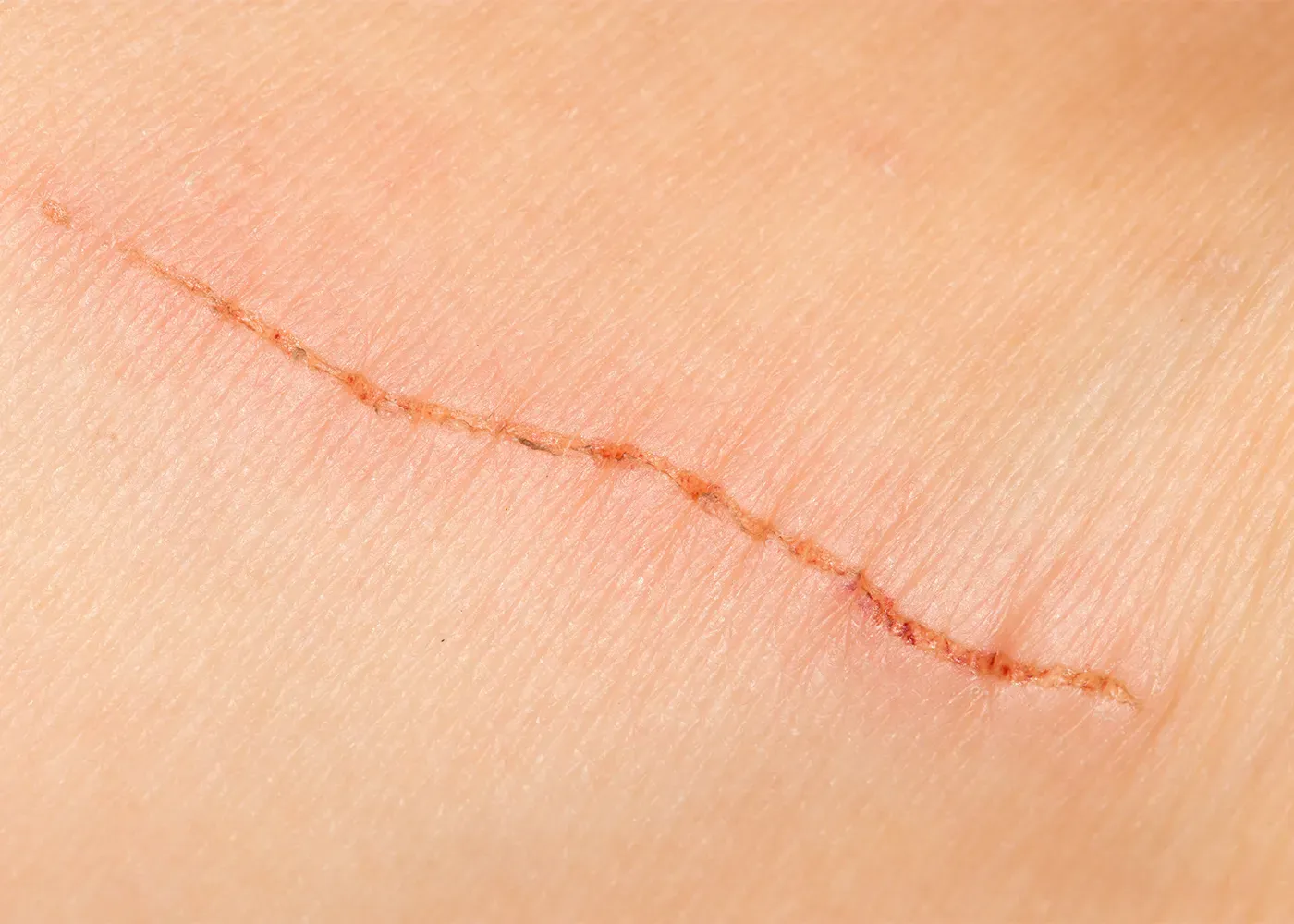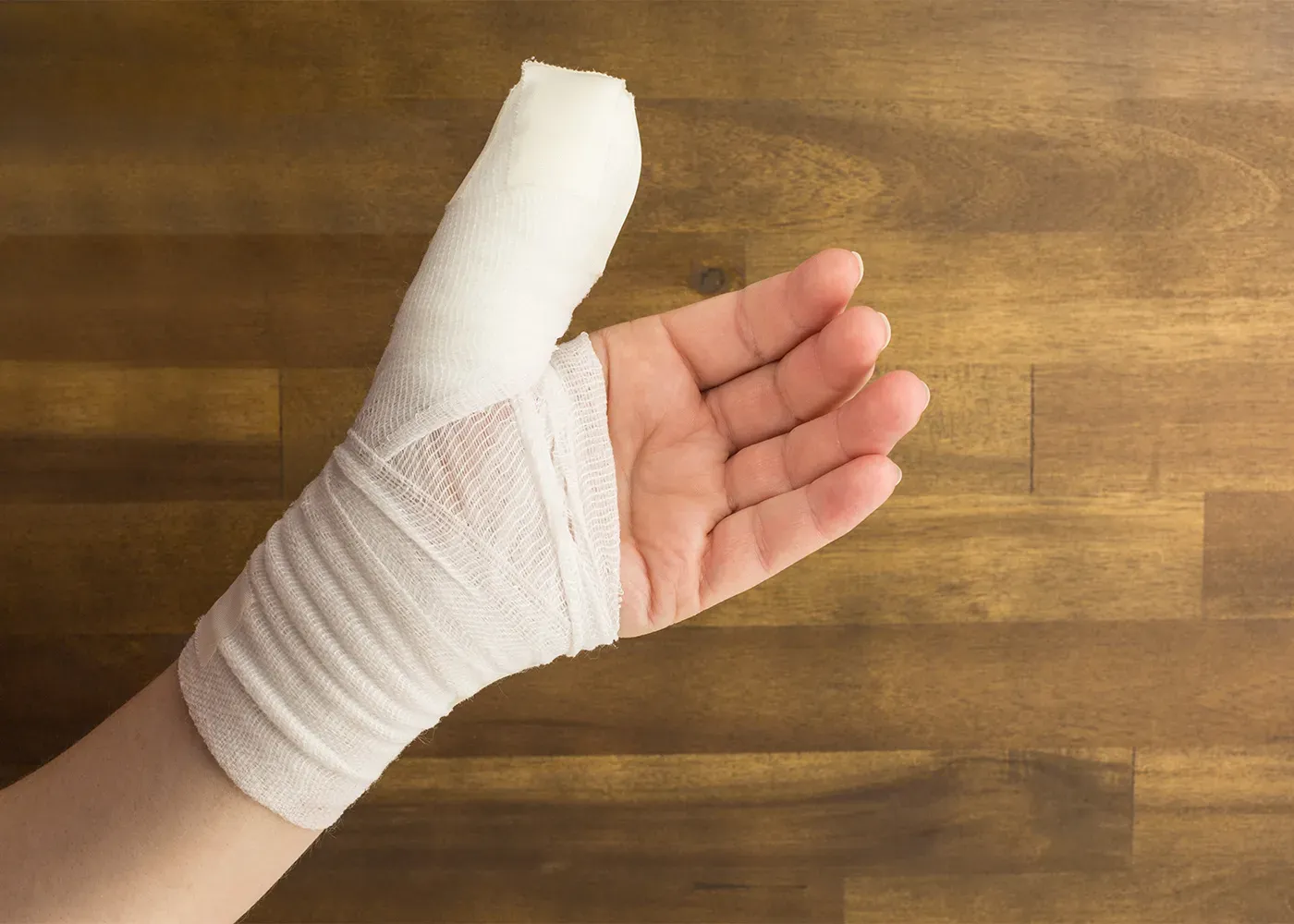
Complex wound reconstruction surgery helps repair damaged tissue, protect underlying structures, and restore function if you have a wound that needs specialized care. At Premier Surgical Institute in Bakersfield, California, board-certified surgeon Ravi Kapadia, MD, FACS, treats severe injuries, chronic wounds, or complications following surgery. For wounds that are too large, deep, or complicated to heal properly with routine wound care alone, Dr. Kapadia can evaluate the wound and recommend an appropriate reconstruction plan. Schedule a consultation by calling Premier Surgical Institute or booking one online today.
Complex Wound Reconstruction Surgery Q & A
What is complex wound reconstruction surgery and when is it needed?
Some wounds can’t be adequately treated with standard dressings, simple closure, or routine wound care. Complex wound reconstruction surgery can:
- Remove unhealthy tissue
- Encourage healing
- Protect muscles and other underlying structures
- Restore the affected area's appearance and function
Surgery may be necessary when a wound fails to heal, exposes deeper tissues, or causes significant tissue loss. Dr. Kapadia may recommend reconstruction when an infection damages surrounding tissue or when a previous surgical incision opens.
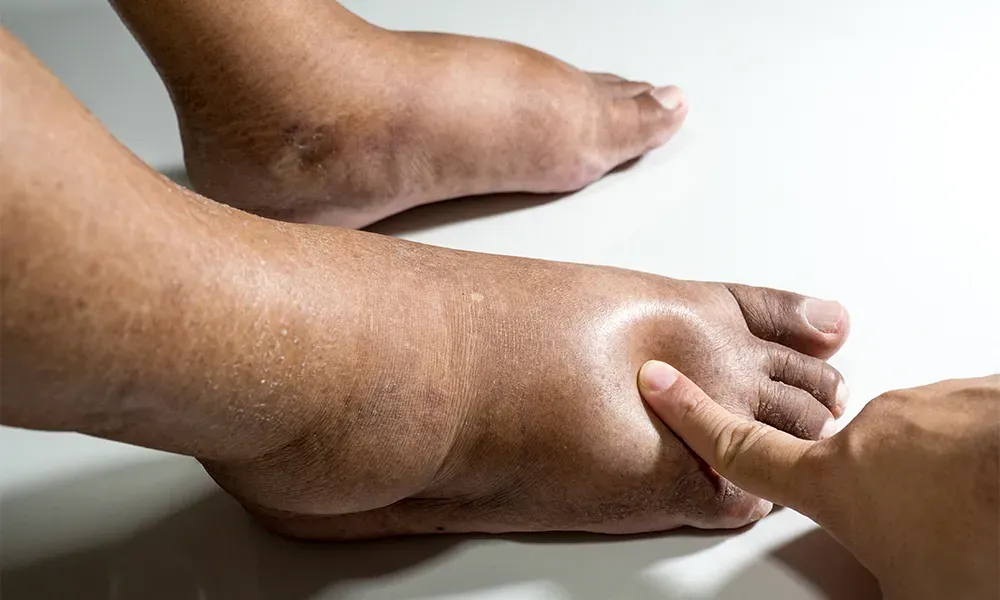
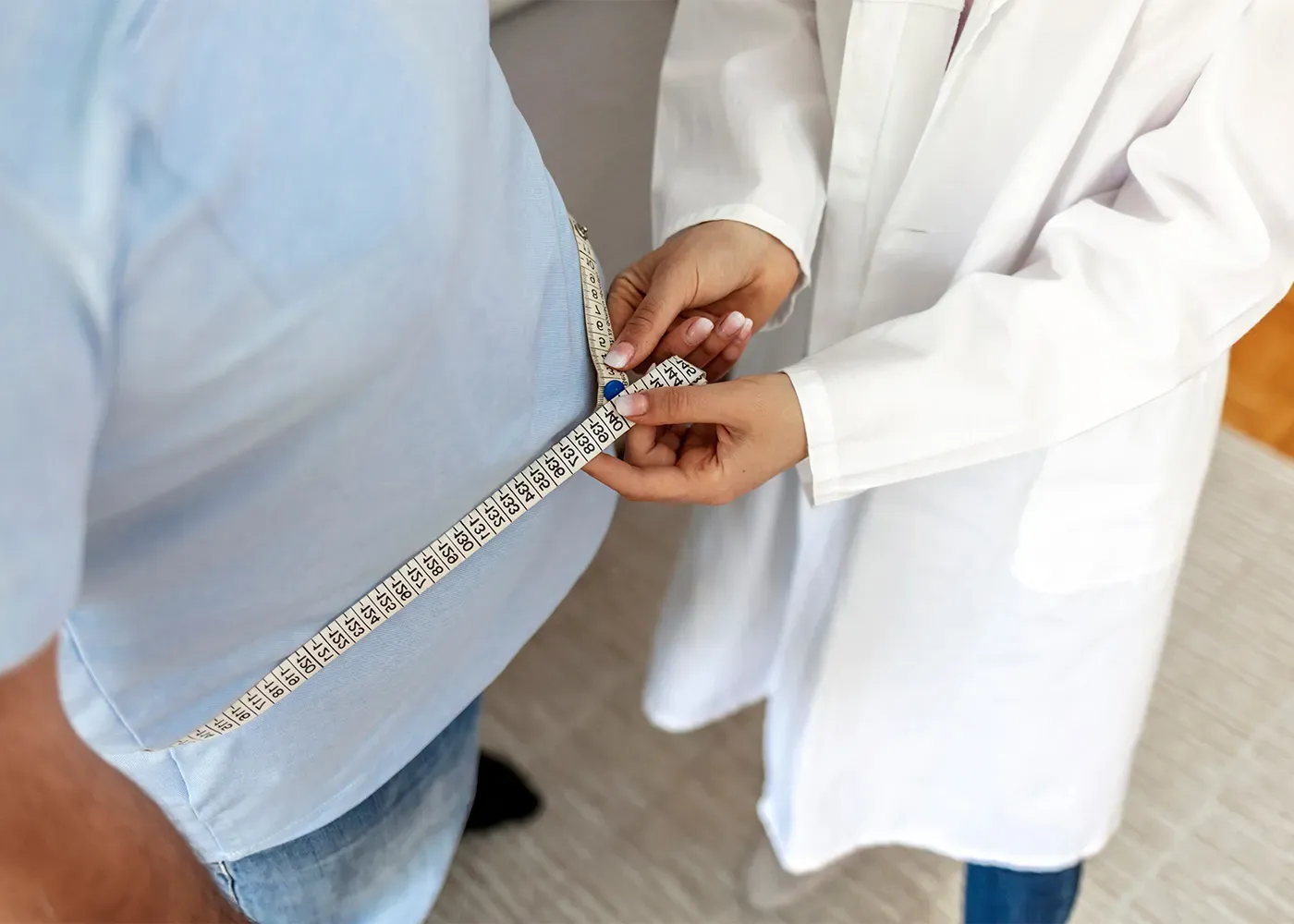
Diabetes, poor circulation, smoking, and certain medical conditions can interfere with your healing and increase the likelihood of complications. Dr. Kapadia can help identify the underlying problem and determine whether you could benefit from surgical reconstruction.
What types of wounds require complex wound reconstruction surgery?
Several types of wounds may require advanced surgical treatment, such as:
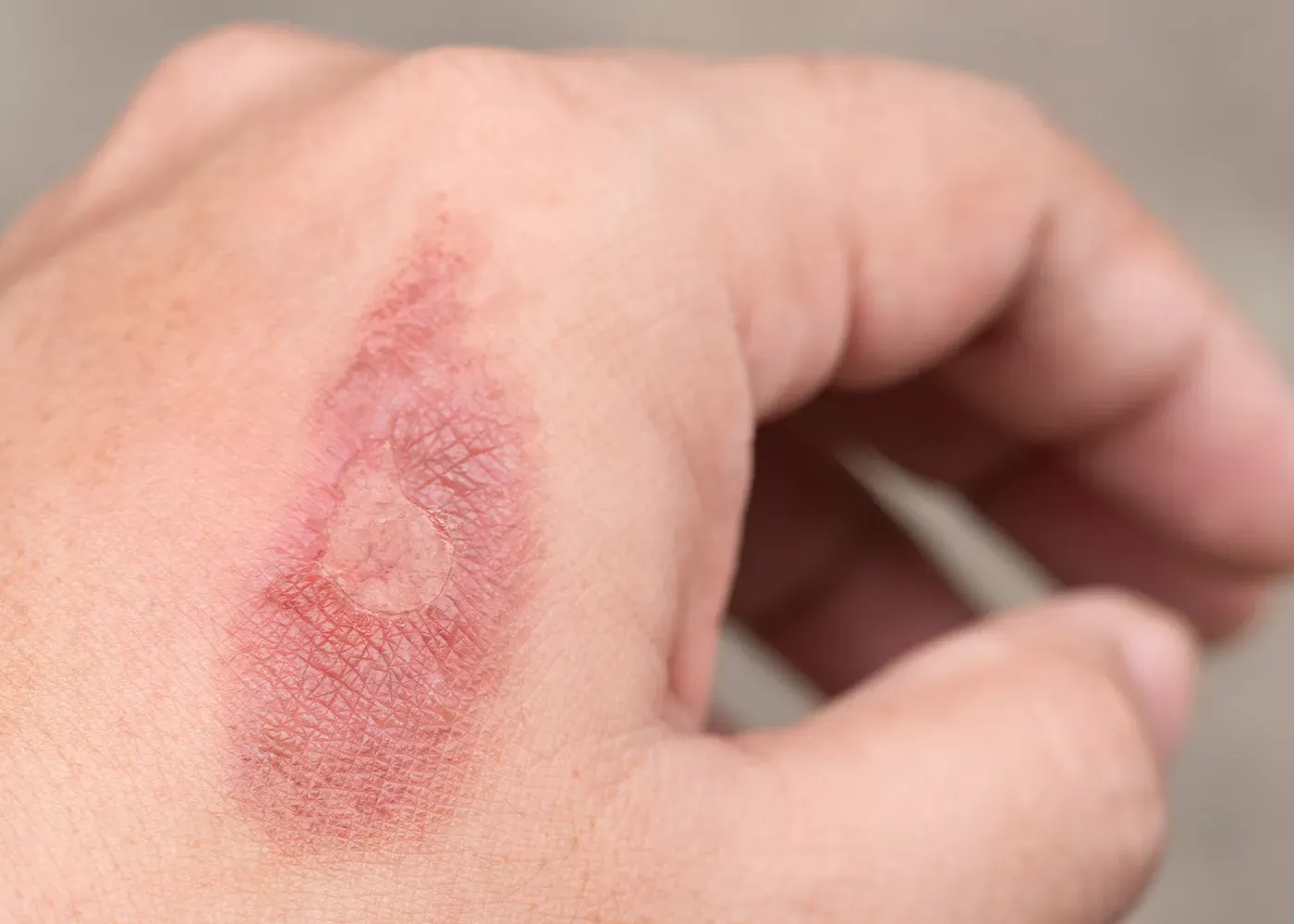
Chronic nonhealing wounds
Ulcers and other wounds that persist despite appropriate wound care may require removal of damaged tissue or reconstruction.
Severe traumatic wounds
Injuries involving extensive skin loss, crushed tissue, or damage to deeper structures may need surgical repair.
Complicated surgical wounds
Incisions that reopen, become infected, or develop significant tissue loss may require additional procedures.
Infected wounds
Deep infections or abscesses may require drainage, debridement, and reconstruction after the infection is controlled.
Pressure injuries
You may need surgical closure if advanced pressure wounds damage your skin and underlying tissue.
Wounds with exposed structures
If defects expose tendons, muscle, or bone, specialized tissue coverage can protect these structures and support your healing.
What are the options for complex wound reconstruction surgery?
The recommended procedure depends on the wound's depth, size, location, blood supply, and overall condition.
Common complex wound reconstruction options include:
- Debridement
- Delayed wound closure
- Skin grafting
- Flap reconstruction
- Negative-pressure wound therapy
Some wounds may require multiple procedures.
What should I expect during recovery from complex wound reconstruction surgery?
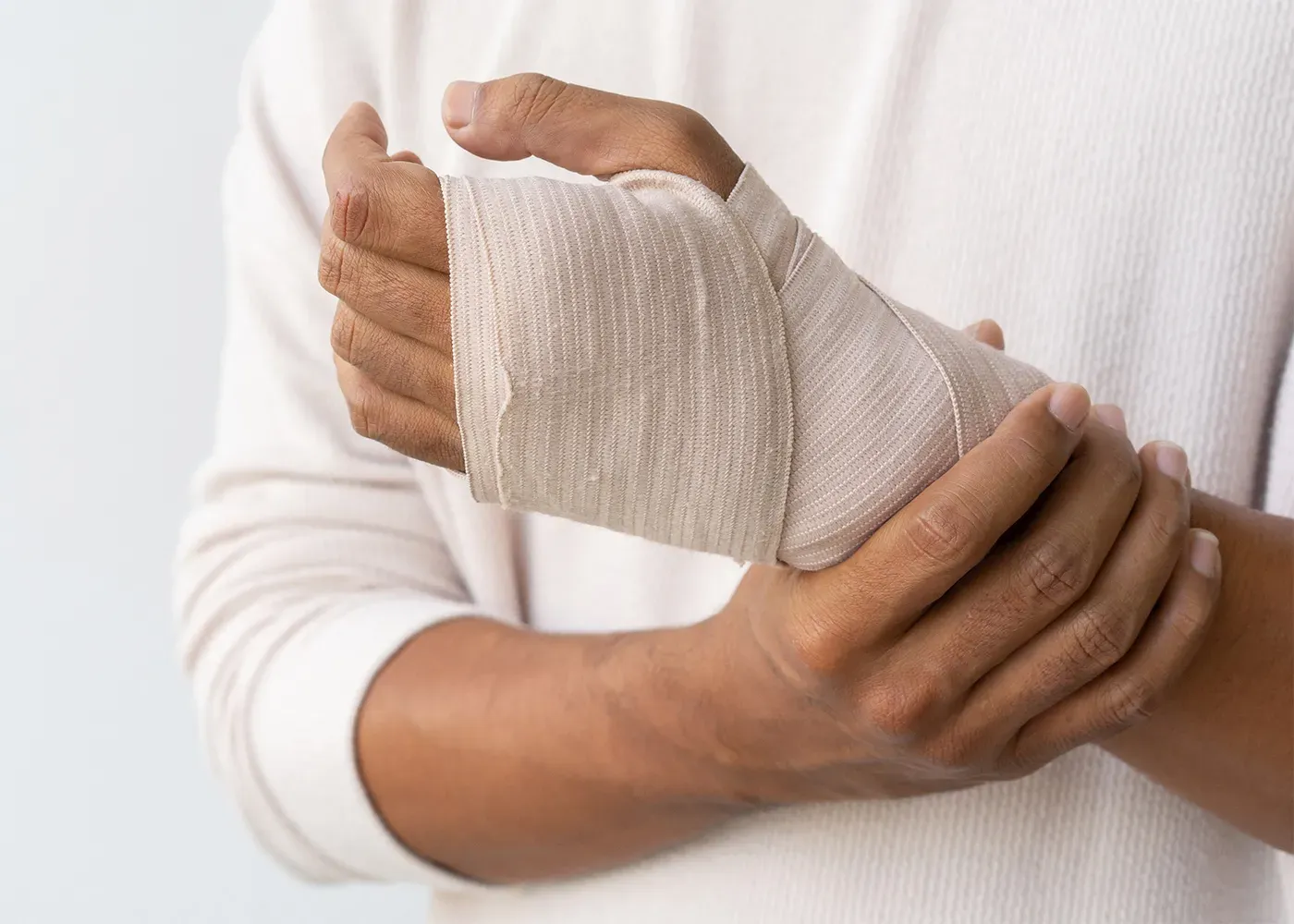
Recovery depends on how severe your wound is, the reconstruction technique Dr. Kapadia advises, and your overall health. Healing may take several weeks or months. Expect it to take longer if your wound is extensive or underlying medical conditions affect circulation.
Your care plan may include:
- Dressing changes
- Activity restrictions
- Pain management
- Nutritional support
- Follow-up appointments
Controlling blood sugar, avoiding smoking, and following wound-care instructions can help promote healing. If you have a complex or nonhealing wound, call Premier Surgical Institute or request an appointment online today.