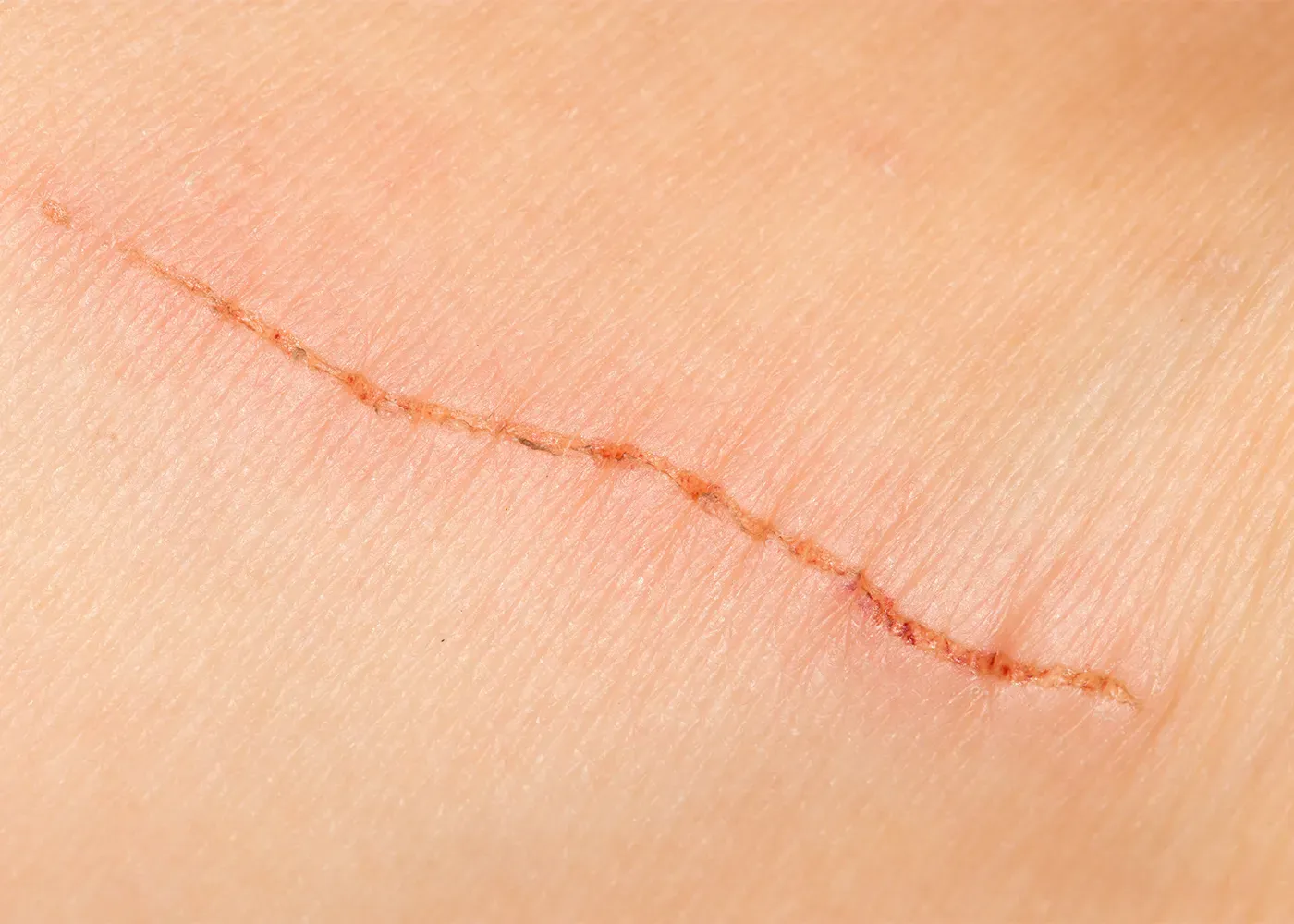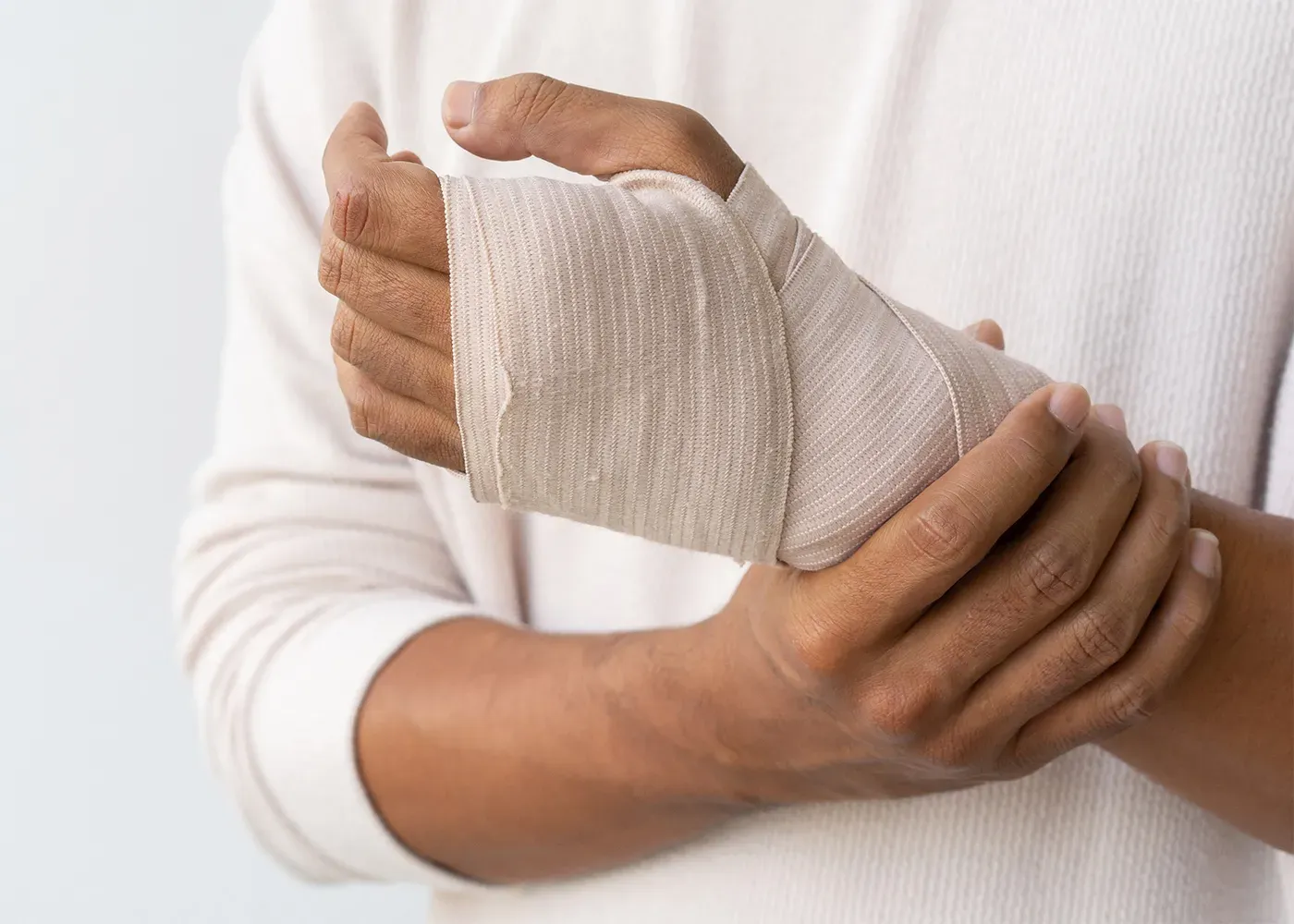
Surgical wounds may take longer to heal than you’d like, but they do typically show improvement as your body repairs damaged tissue. Nonhealing surgical wounds, however, heal more slowly than expected or develop complications. At Premier Surgical Institute in Bakersfield, California, board-certified surgeon Ravi Kapadia, MD, FACS, recognizes their causes and warning signs early to help prevent infection, reduce complications, and support your recovery. Schedule a consultation with Dr. Kapadia by calling Premier Surgical Institute or booking online today.
Nonhealing Surgical Wounds Q & A
What causes nonhealing surgical wounds?
Several factors can interfere with your body's natural wound-healing process. Some common issues include:
Infection
If bacteria enter the healing area, you can experience inflammation, tissue damage, and delayed healing.
Poor blood circulation
Adequate blood flow delivers oxygen and nutrients you need for tissue repair, so conditions such as peripheral artery disease can reduce circulation and slow healing.
Diabetes
High blood sugar can impair circulation, weaken immune responses, and increase your risk of infection.
Smoking
Nicotine and other chemicals in tobacco products restrict blood flow and reduce oxygen delivery to healing tissues.
Nutritional deficiencies
Having insufficient protein, vitamins, and other essential nutrients can keep your body from rebuilding damaged tissue effectively.
Excessive tension or pressure
Strain on an incision, repeated movement, or pressure on the surgical site can cause the wound to separate.
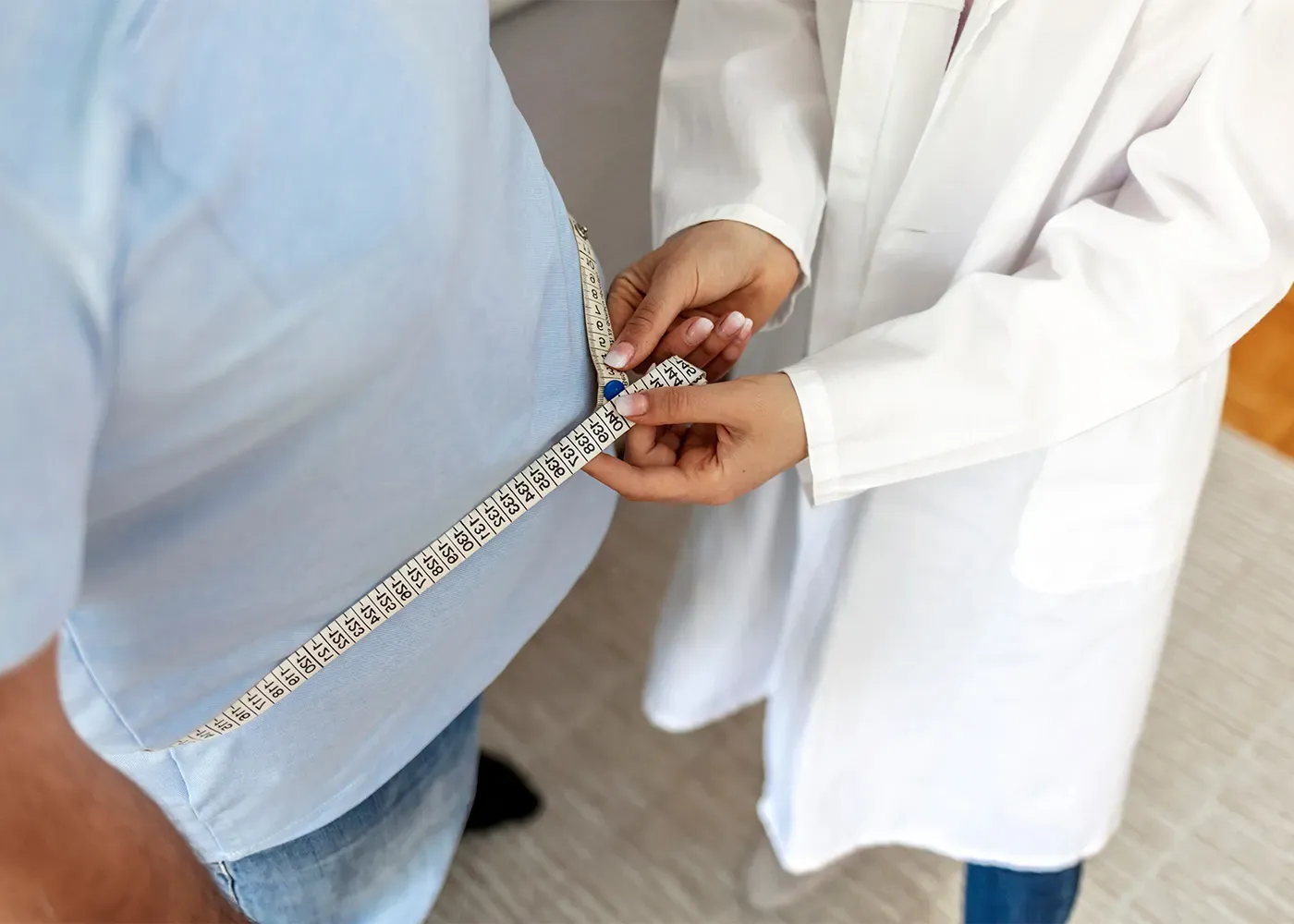
Underlying medical conditions like obesity and immune system disorders may also interfere with how quickly you get well.
What are the signs of nonhealing surgical wounds and when should I seek help?
Most surgical incisions show steady improvement over time. If your wound stops improving, worsens, or develops new symptoms, contact Dr. Kapadia for an evaluation.
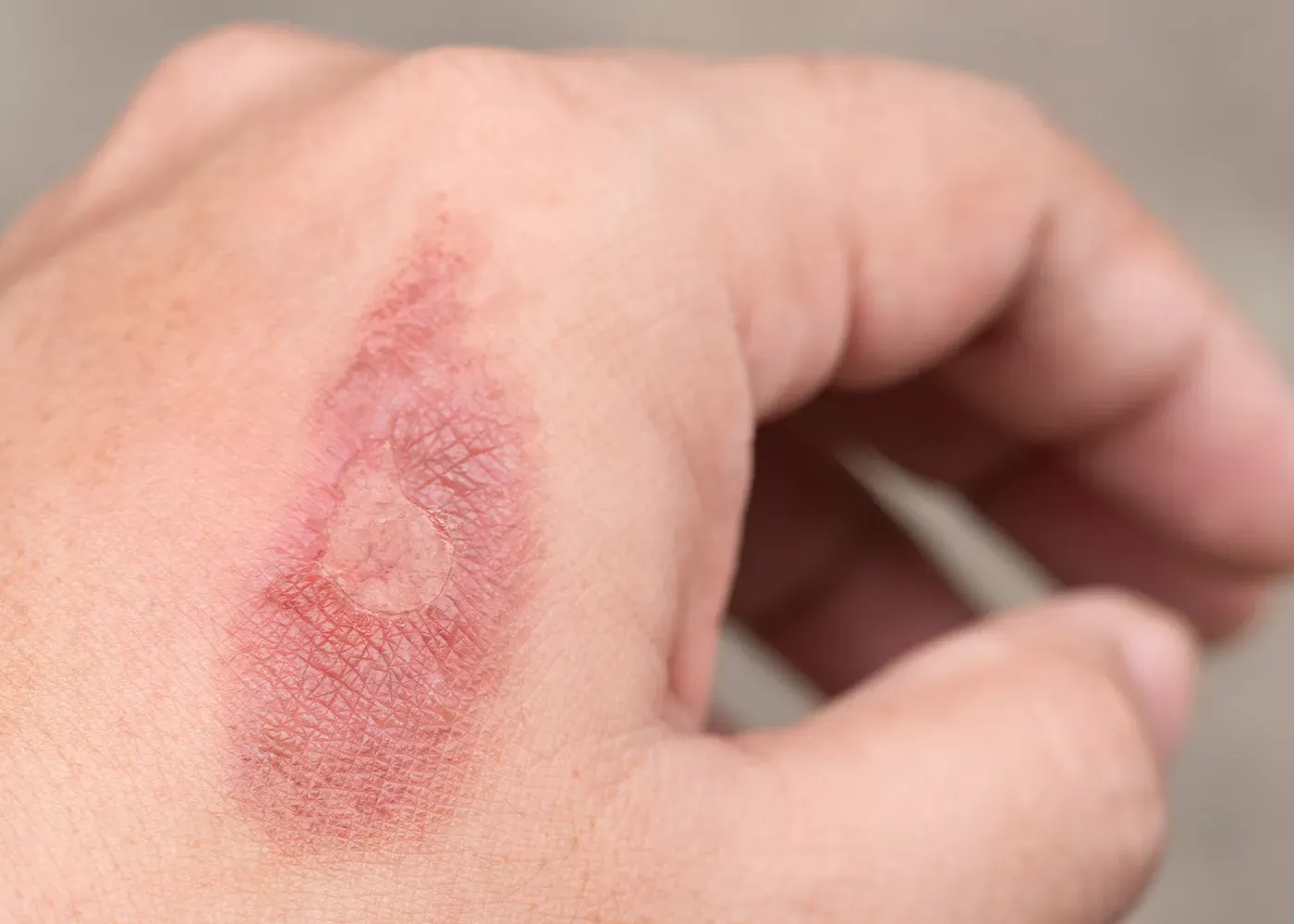
Warning signs of a nonhealing surgical wound include:
- Redness, swelling, or warmth increasing around your incision
- Pain that persists or worsens
- Draining pus or fluid with an unpleasant odor
- An incision that opens or separates
- Skin discoloration or tissue that appears dark or dead
- Fever or chills
- A wound that remains open or fails to heal within the expected timeframe
Seek prompt medical attention if you notice increasing redness, unusual drainage, wound separation, or worsening pain. Fever, rapidly spreading redness, severe pain, confusion, or feeling very ill may indicate a serious infection and require urgent medical care.
How are nonhealing surgical wounds addressed?
Treatment depends on the cause, depth, severity, and location of your wound. Dr. Kapadia will examine the incision, review your medical history, and determine whether you need more testing.
Treatment options may include:
- Wound cleaning and dressing changes
- Infection management
- Removal of damaged tissue
- Improving underlying health, which may include medical weight loss
- Advanced wound care or surgery
If your surgical incision isn’t healing on the expected timeline, call Premier Surgical Institute or book a consultation online today.