Colon cancer surgery is an important treatment option for many patients diagnosed with colon cancer. Depending on the cancer’s location, stage, and overall health of the patient, surgery may help remove cancerous tissue and prevent the disease from spreading. A Premier Surgical Institute in Bakersfield, California, Ravi Kapadia, MD, FACS, provides personalized surgical care to help patients understand their options and make informed decisions about treatment. To schedule an appointment at Premier Surgical Institute, call the office or request an appointment online today.
Colon Cancer Surgery Q & A
What is colon cancer surgery?
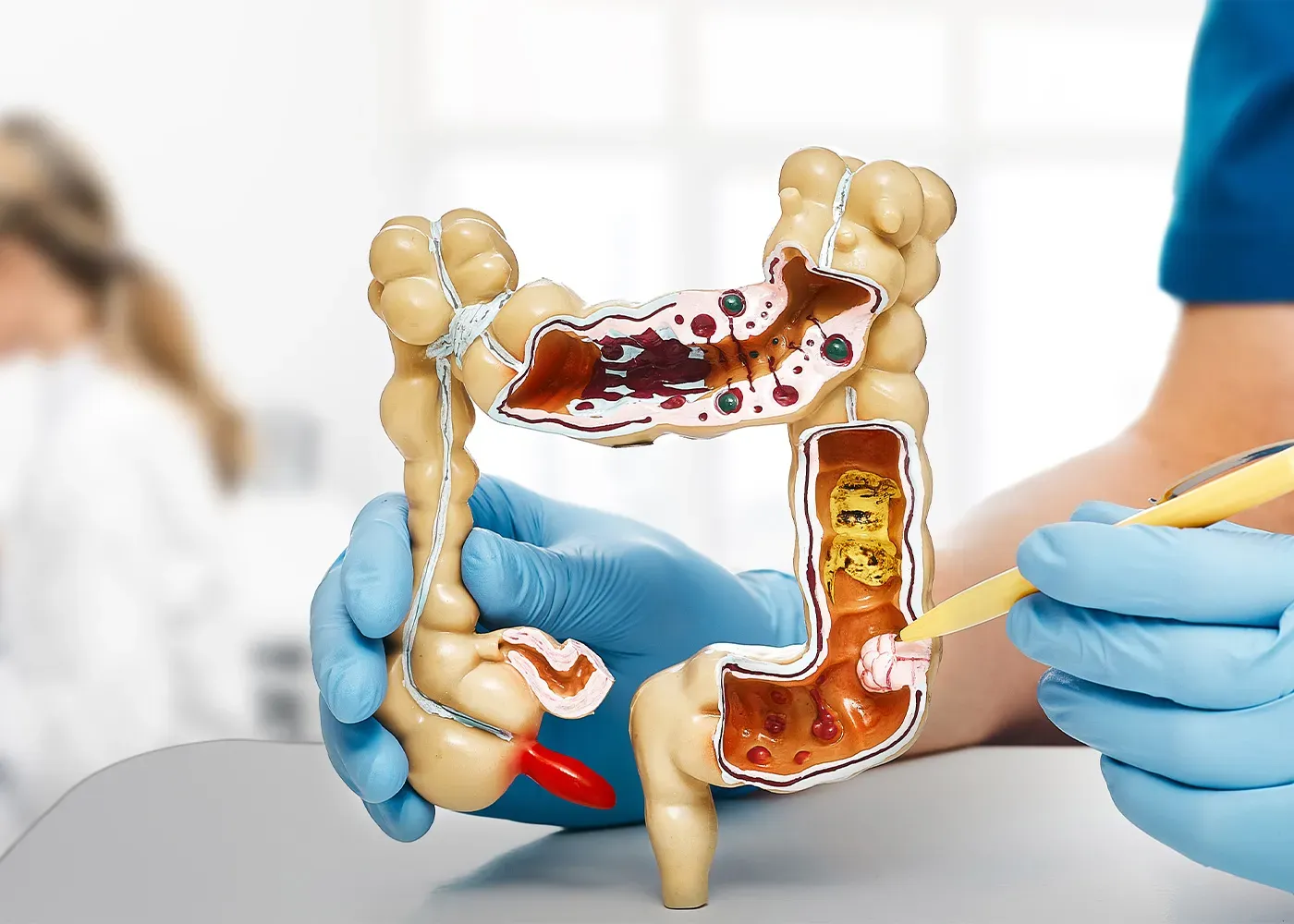
Colon cancer surgery involves removing cancerous tissue from the colon, which is part of the large intestine. The specific procedure depends on the tumor’s size, location, and extent, as well as the patient’s overall health and treatment goals.
One common procedure is a colectomy, which involves removing the portion of the colon affected by cancer along with nearby lymph nodes that may contain cancer cells. The remaining healthy sections of the colon may then be reconnected. In some cases, a temporary or permanent ostomy may be necessary to allow waste to leave the body through an opening in the abdomen.
Colon cancer surgery may be performed using traditional open surgery or minimally invasive techniques, such as laparoscopic or robotic-assisted surgery, when appropriate.
When is colon cancer surgery necessary?
Colon cancer surgery is frequently recommended when a cancerous tumor can be removed safely. For many patients with localized colon cancer, surgery is a primary treatment. Removing the affected section of the colon can help eliminate the tumor and provide tissue samples that help determine whether the cancer has spread to nearby lymph nodes.
For more advanced disease, surgery may be combined with chemotherapy or other treatments. In certain situations, surgery may also be recommended to relieve complications, such as a bowel obstruction or bleeding caused by a tumor.
The recommended approach depends on the cancer’s stage, your medical history, and whether additional treatments are needed. Dr. Kapadia can explain the potential benefits, risks, and alternatives associated with each option.
How do I know if I'm a candidate for colon cancer surgery?
Candidacy for colon cancer surgery depends on several factors, including the location and stage of the cancer, whether it has spread, and your ability to undergo anesthesia and recover from an operation.
Diagnostic tests may include a colonoscopy, biopsy, imaging studies, and blood tests. These evaluations help Dr. Kapadia understand the extent of the disease and develop an appropriate treatment plan.
Patients with other medical conditions may need additional evaluation or preparation before surgery. A consultation with Dr. Kapadia allows patients to discuss their diagnosis, review available treatment options, and determine whether surgery is appropriate for their individual circumstances.
What can I expect during and after colon cancer surgery?
Before surgery, patients receive instructions regarding medications, eating and drinking, and bowel preparation when needed. Dr. Kapadia explains the planned procedure, anesthesia, and potential risks.
During surgery, Dr. Kapadia removes the affected portion of the colon and nearby lymph nodes as indicated. The remaining colon may be reconnected, depending on the patient's condition and the surgical findings.
After surgery, you are monitored as you recover from anesthesia and gradually resume drinking, eating, and moving around. Hospital stays and recovery times vary depending on the procedure and your individual circumstances. Some patients experience temporary changes in bowel habits, fatigue, or abdominal discomfort.
Follow-up appointments with Dr. Kapadia are essential for monitoring healing and reviewing pathology results. Depending on the cancer's stage and other findings, additional treatment or ongoing surveillance may be recommended.
If you require colon cancer surgery, call Premier Surgical Institute or request an appointment online today.